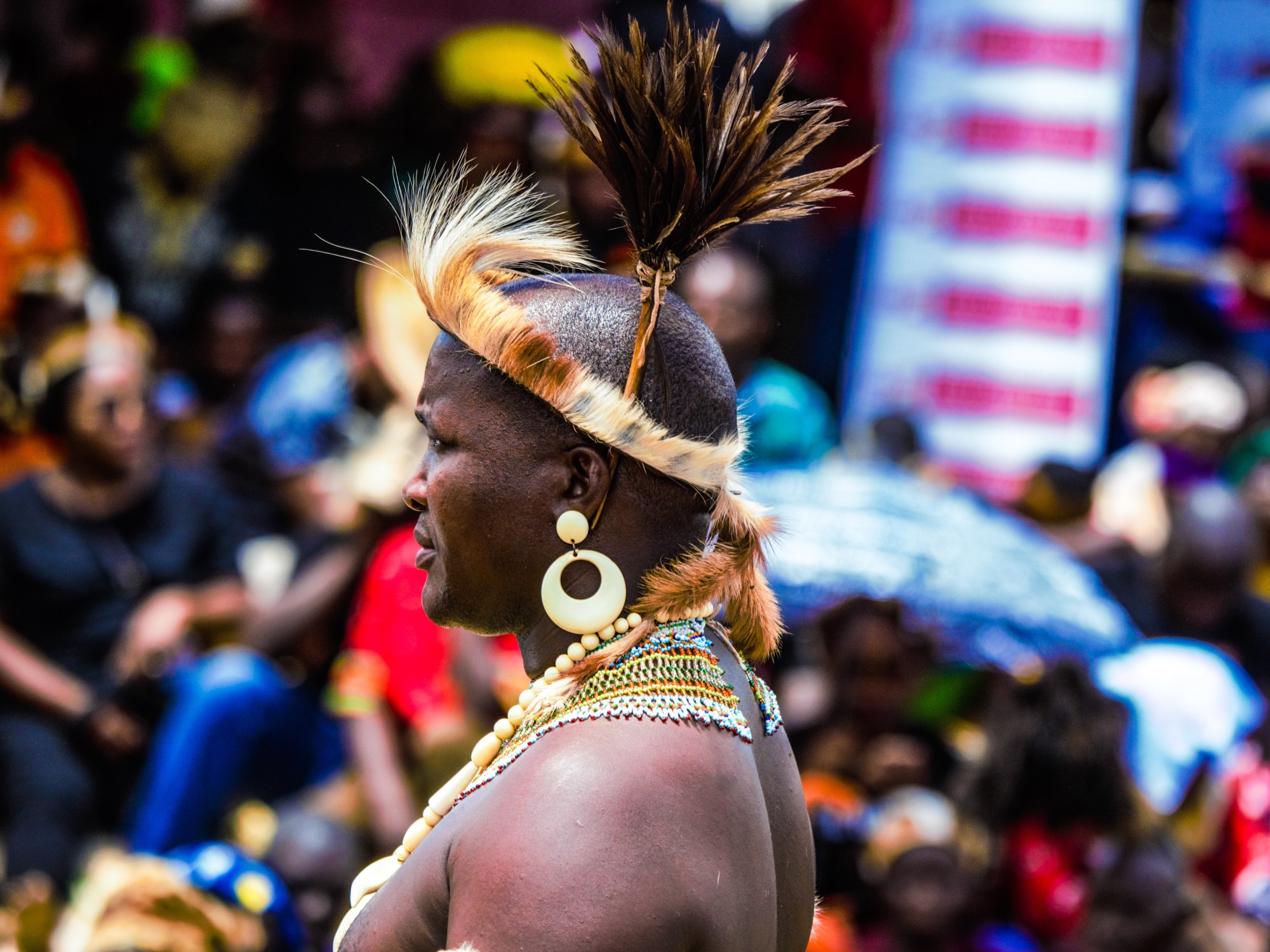
This year in February I attended the Ncwala Ceremony in Zambia, for the third time and it didn’t disappoint. I travelled from Johannesburg to Lusaka by bus. I have travelled to Zambia by bus before but the difference this time was that my trip was supported by KZN Amafa & Research Institute . This made for an anxiety-free trip. Usually, travelling the SADC region by bus can be daunting when funds are limited, but this time I was able to make quick decisions knowing that I had enough money for the trip. I was also able to move quickly on the content I needed to create because the resources were made available by Amafa.
Maybe you never heard of the Ncwala Ceremony?
Every year on the last week of February, the Ngonis of Chipata Zambia commemorate their first fruits festival, called Incwala Ceremony. This is the first festival of the year in the Zambian festival calendar which starts off a full year of celebrations across the country. Zambia celebrates at least 20 traditional ceremonies which showcase heritage, culture, spirituality and plain old dance and enjoyment.
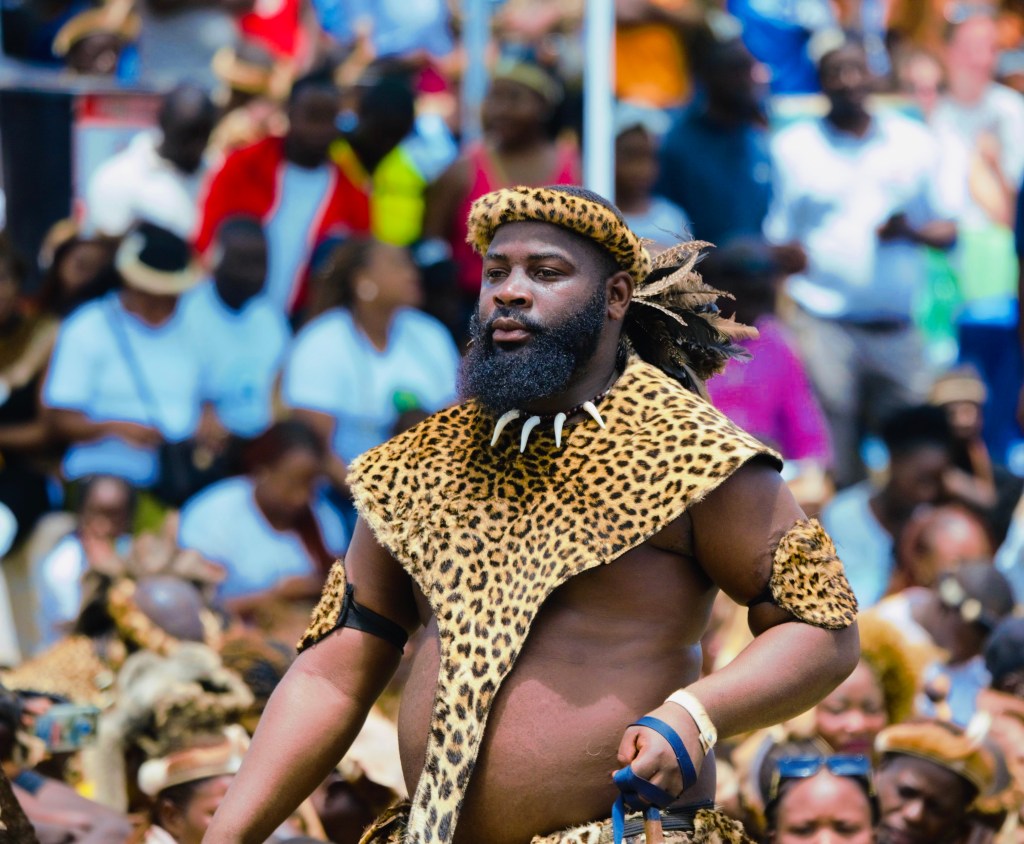
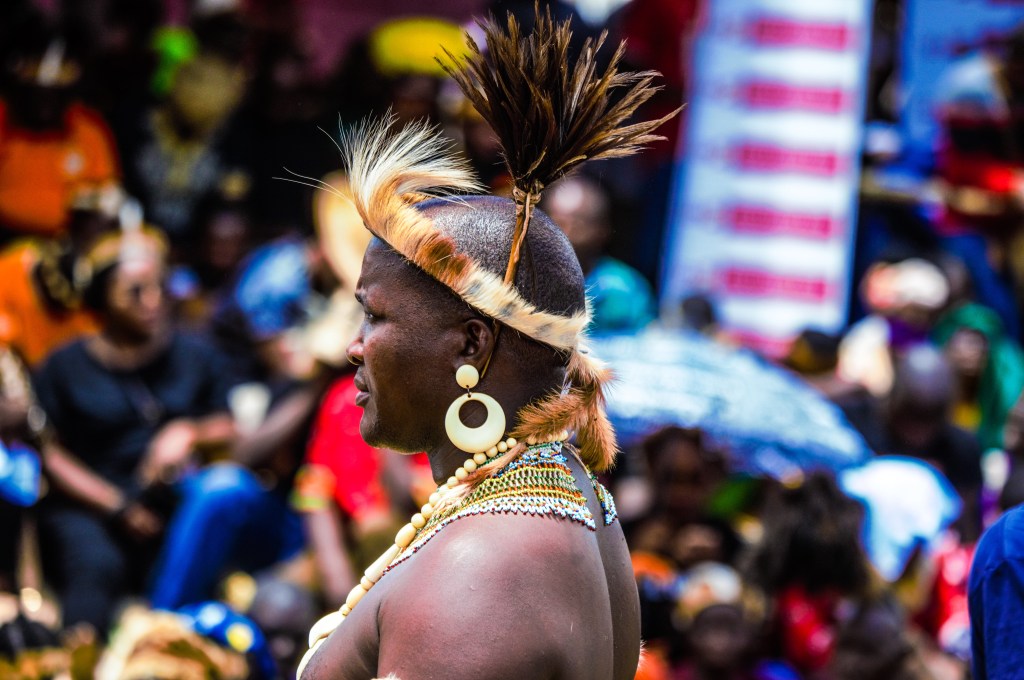
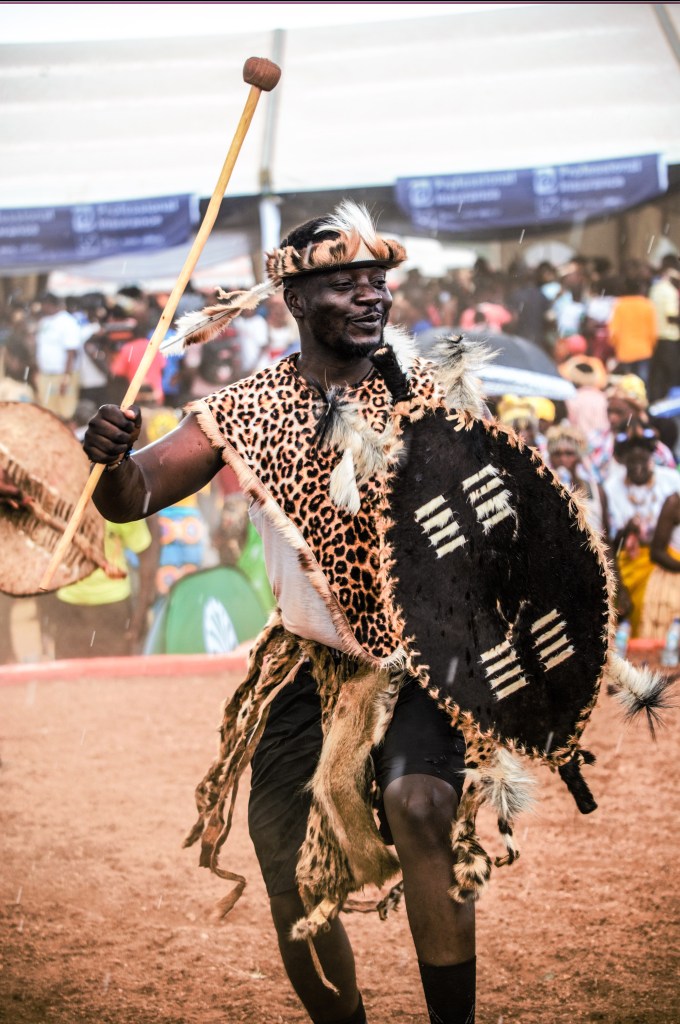
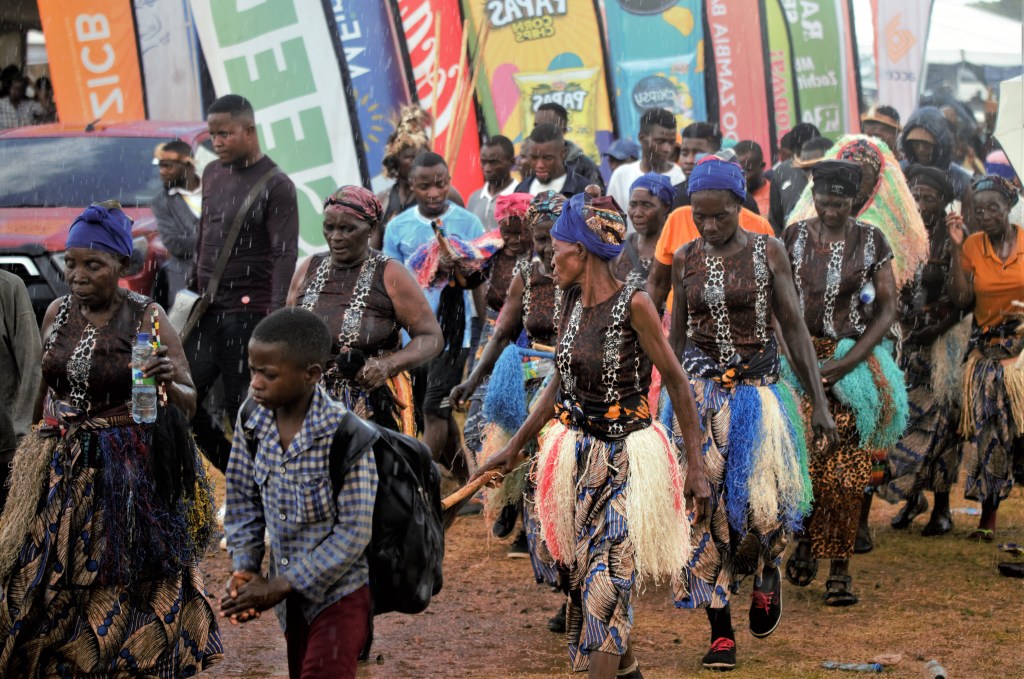
Ngonis travel from as far as Lusaka and northern Malawi to celebrate with family and fellow Ngonis. Throughout that last week of February anywhere you walk in Zambia you are bound to see people dressed either in full Ngoni regalia or just a basic umqhele to announce their allegiance to their king and their ancestors.


Who are the Ngonis?
Ngonis are an ethnic group living mainly in the SADC region in countries such as Malawi, Zambia, Mozambique, Zimbabwe, and Tanzania. Although they are said to have been found as far as Kenya and Lake Victoria. They migrated North during the Mfecane Wars of the 1800s under the leadership of Zwangendaba kaJele.
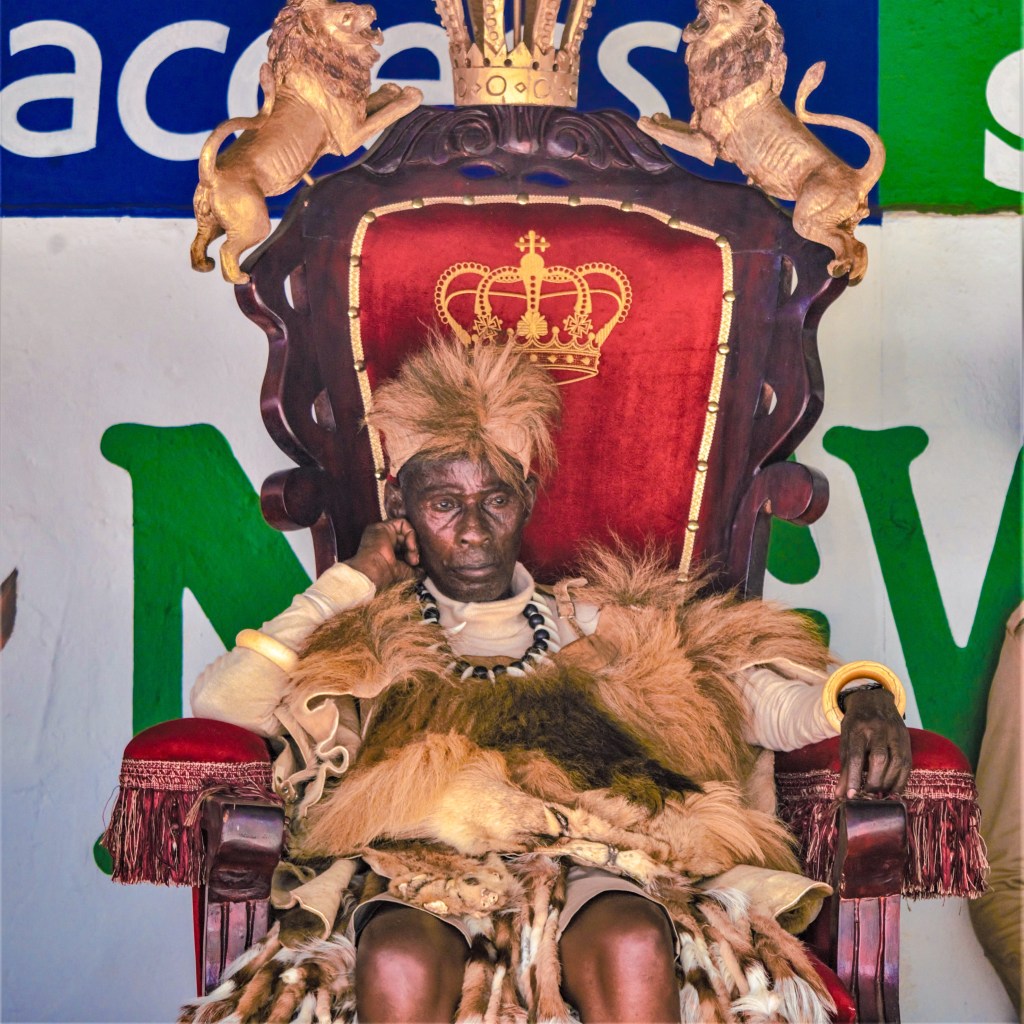
The Ngonis that settled in Eastern Zambia are led by Inkosi YamaKhosi uMphezeni Ka Zwangendaba IV who has been at the helm since 1982 after the passing of his father, King Khuzwayo Pontino Mphezeni III in 1981. A story is told, of a young Mphezeni who was working in Livingstone and one day while he was at work he saw a convoy arriving to collect him to take him back home to essentially become king. He has been king since for 42 years.
What is Umkhosi weNcwala?
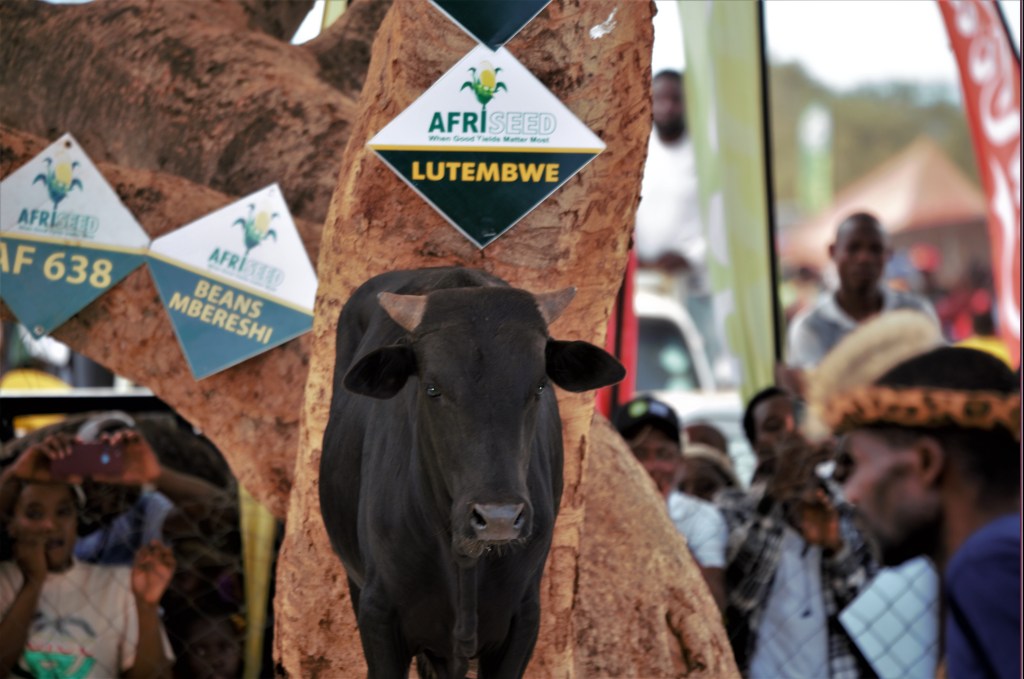
Umkhosi weNcwala is a festival of the first fruits. Every year when the Ngonis are about to harvest their crops they meet at Mtenguleni Village to thank their ancestors and God for the rains. This celebration is marked by the slaughtering of a black bull as a sacrifice. This is a time for prayer and reflection for abeNgoni who have adopted a numerous Christian values as they traversed.
The ceremony is always an illustrious affair with song and dance, something the Bantu people across Africa are known for.
Although the ceremony takes about four hours, the week leading up to the event is incredibly busy.
On the days leading up to the ceremony Inkosi observes certain rituals that have been observed by his forefathers before him. INkosi receives guests at his home in Ekuphendukeni just 15 kilometers outside Chipata. People usually arrive from far-flung places to pay their respects to Inkosi yamaKhosi uMphezeni kaZwangendaba. At this time he receives ambassadors, CEOs of companies in Zambia and other monarchs from around Africa. People have been known to come bearing all kinds of gifts for iNkosi. This year, even I had the brief honour of meeting Inkosi yamaKhosi. A moment I will always treasure.
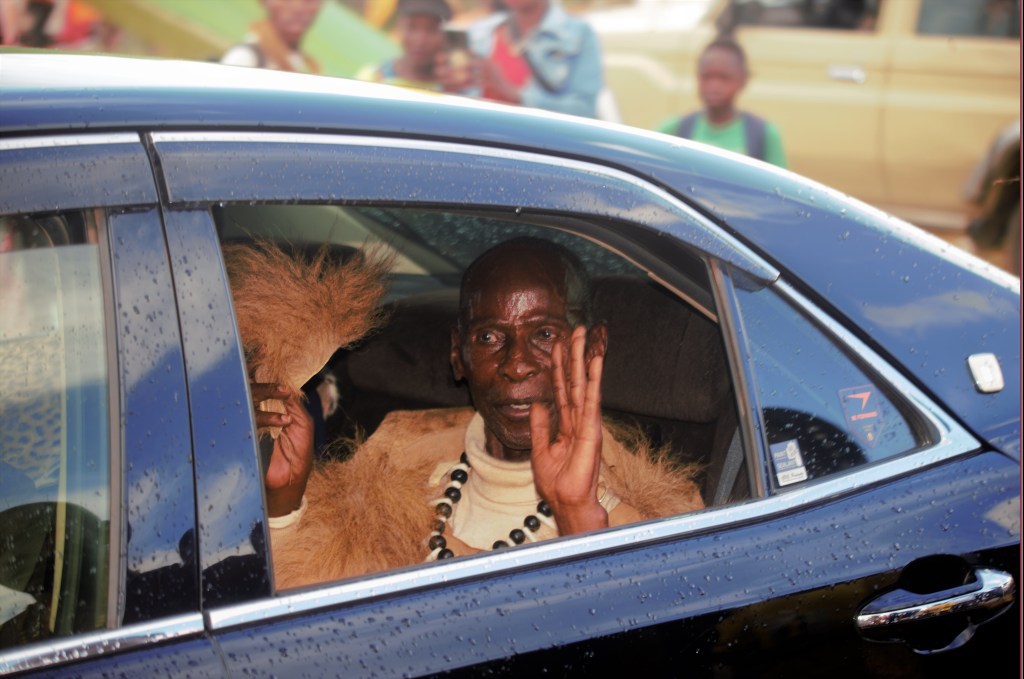
In the afternoon of Day 1, Inkosi travels from his home of Ekuphendukeni to his mother’s home of eMthenguleni, eLaweni (eLawini). On his journey to eLawini he stops through the streets of Chipata to greet his subjects who adore him. The journey is filled with joy, ululating and dancing. This signifies the beginning of the Ncwala celebrations.
Upon his arrival at eLawini iNkosi is expected to spend time in prayer while having communion with the ancestors. At this point he is expected maintain a vow of silence until the day of Incwala. It is not clear if Inkosi still observes these rituals in their entirety as this part is filled with mystery and secrecy. There is a mystical part of Ngoni culture that remains veiled in secrecy.
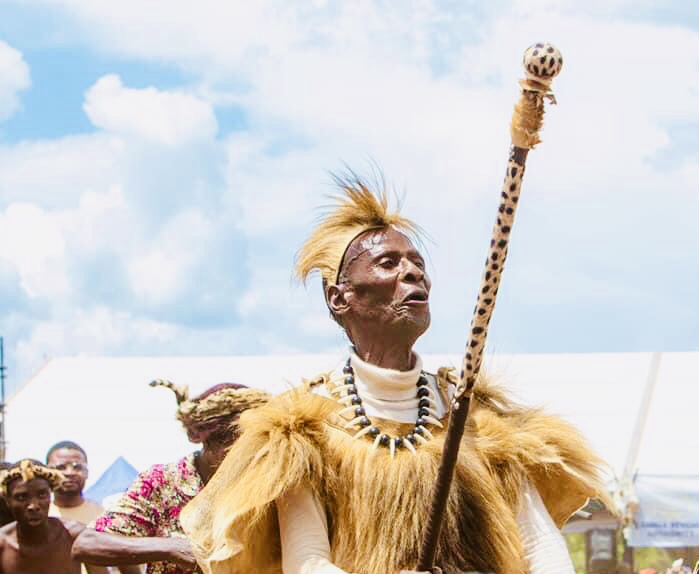
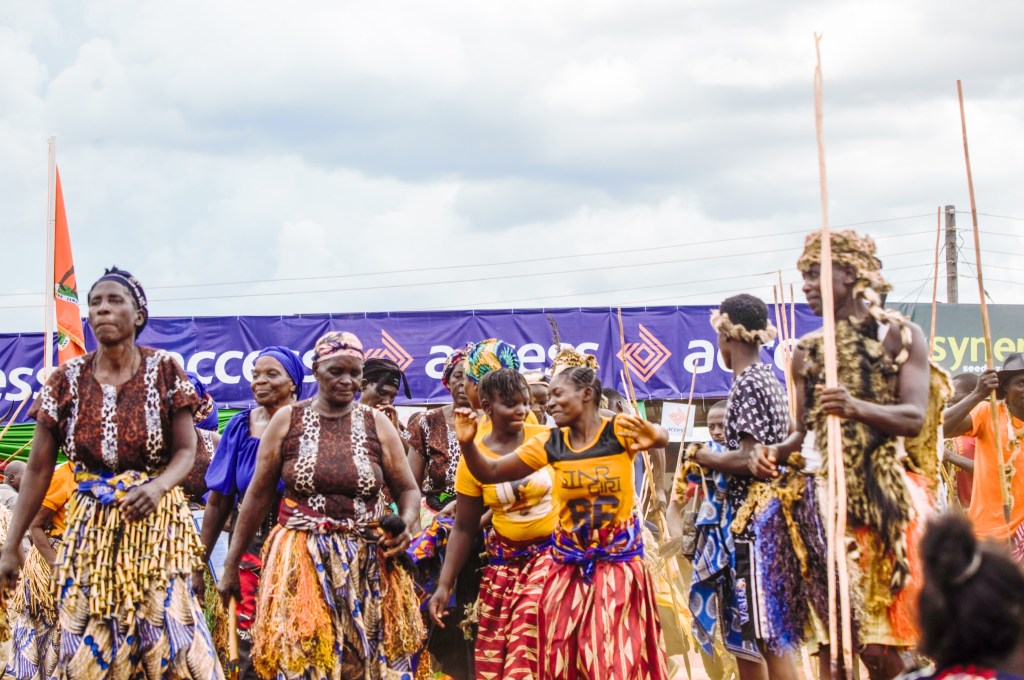
On day 2 Inkosi receives guests at eLawini where different dance troupes come to present their dance items to Inkosi and his guests. Inkosi makes a brief appearance here and dances with some troupes, a sight enjoyed by all present.
Inkosi Mphezeni is quite the dancer. Although advancing in age, he still moves with grace and power. He has quite a charm about him that will give you a glimpse of a young Mphezeni who took up his duty in 1982.
On Day 2, other tribes also come to present their dance to Mphezeni and his guests. Other Chiefs also attend this segment of the ceremony.
Day 3 is the big and final day! The festivities begin around 10:00 in the morning with the arrival of invited guests and dignitaries. Among the guests of Honour this year in 2024 was the president of Zambia, His Excellency, Hakainde Hichilema. Inkosi Ya Makhosi Mbelwa of the Ngonis in Mzimba was also in attendance occupying his rightful place to the left of iNkosi uMphezeni.
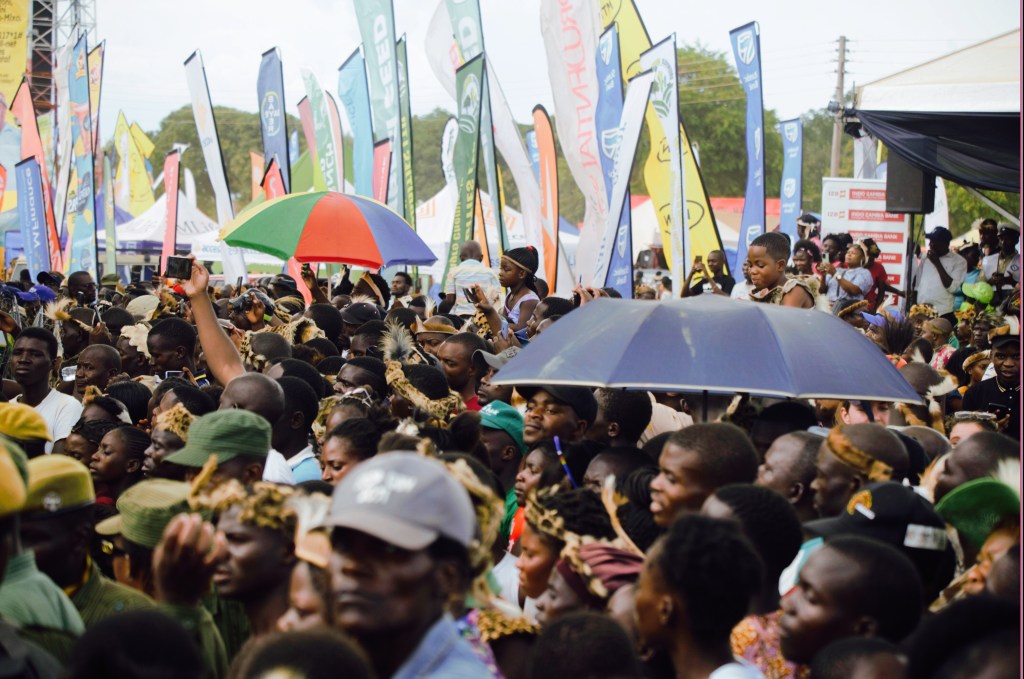
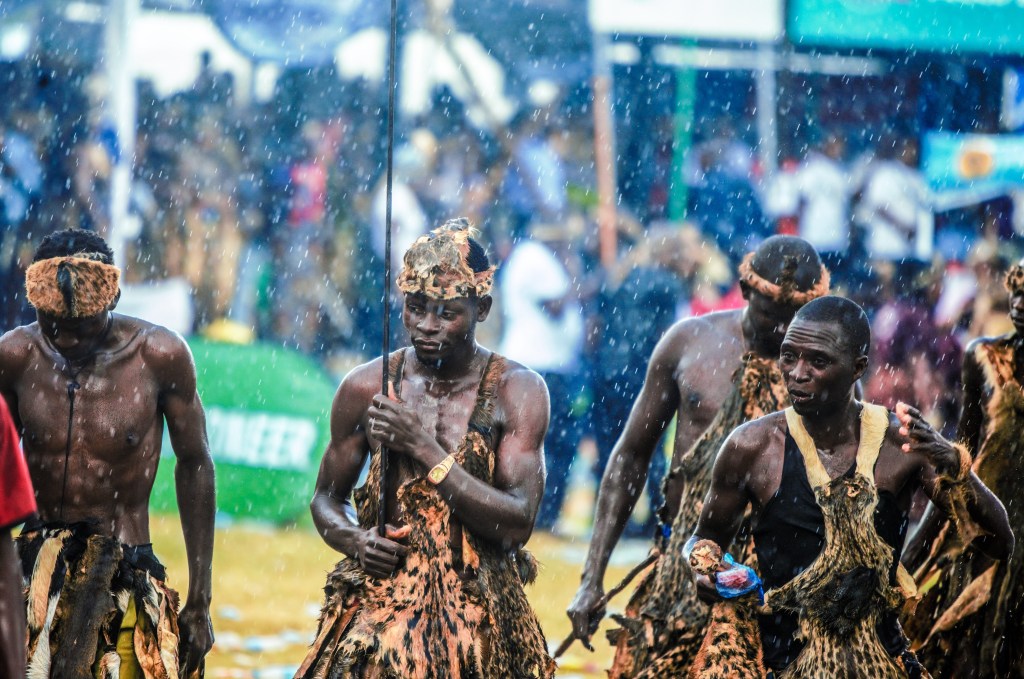
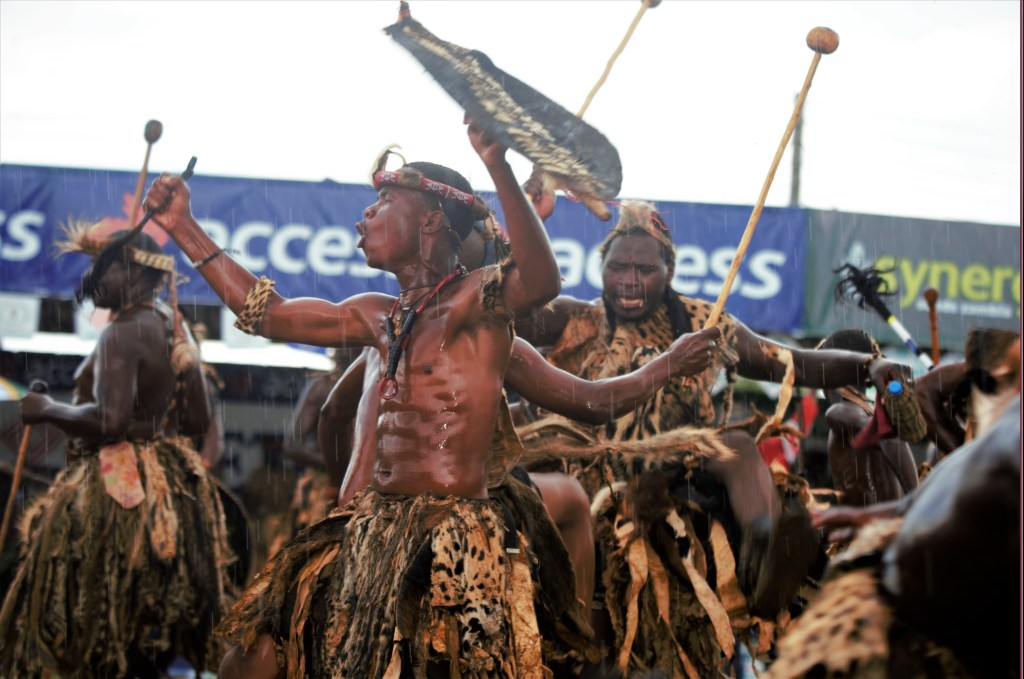
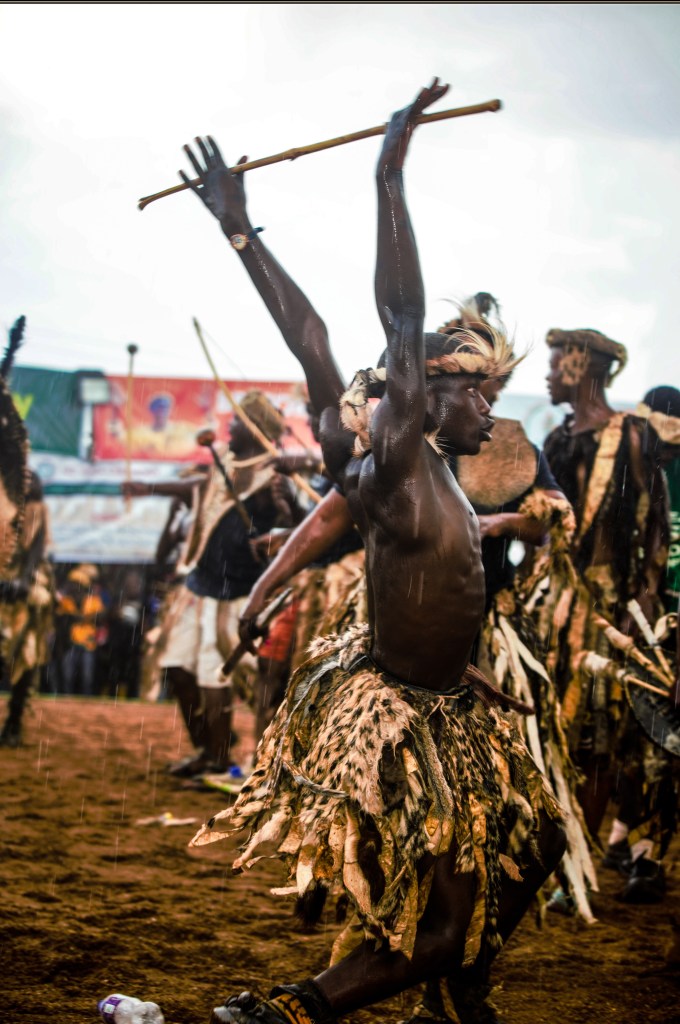
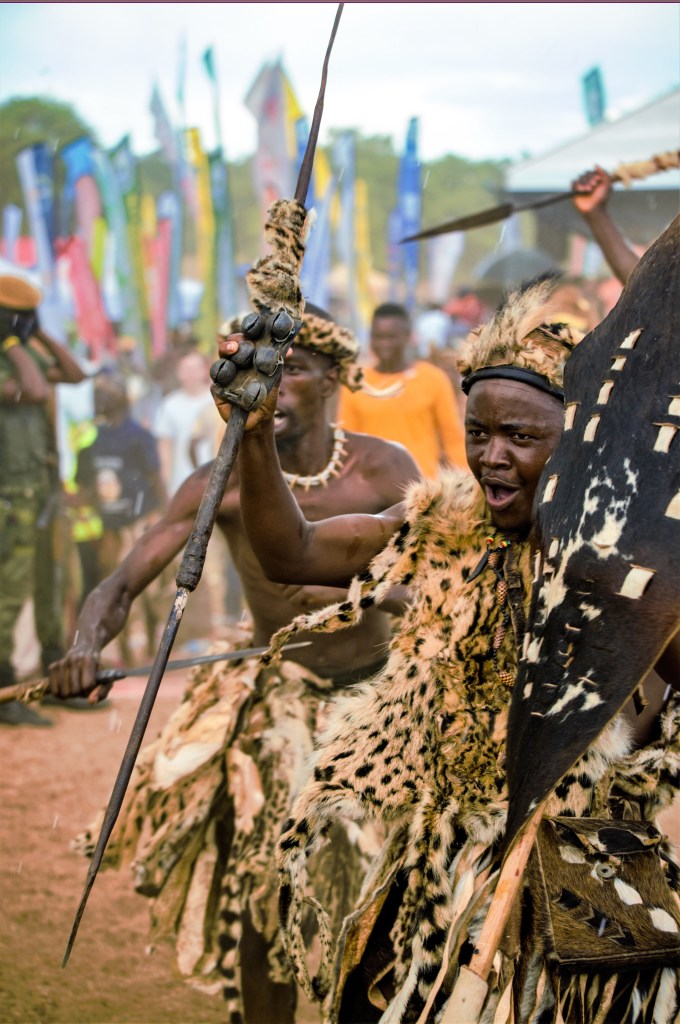
During the event ibutho lika Mphezeni is constantly dancing and performing their war cries. Dance troupes are the order of the day. Some come even from Mchinji, Malawi which is only separated by a border from Chipata Zambia, with Ngonis living on either side of the border. The dance troupes have been practicing all year to make sure that their steps are in order as they showcase before Inkosi.
Izibongo – Traditional Salutation
Izibongo zenkosi. This part of the ceremony is when Tshongwe Mtimandze, imbongi yenkosi, the praise singer, starts ukubongela Inkosi, to salute the king. He spends time reciting the victories of Mphezeni and his ancestors before him. This is followed by the national anthem and the Ngoni anthem. After the anthems are sung, a word of prayer is offered.
Umnikelo (the sacrifice)
Umnikelo is a sacrifice that Inkosi needs offer up as part of the Ncwala Ceremony. The sacrifice is in the form of a black bull, inkunzi emnyama. The bull is slaughtered and as it dies, one of the Nkosi’s soldiers will siphon blood and put it on isithebe and rush it to Inkosi Umphezeni while it is warm for iNkosi to drink. After the king drinks the blood, the blood is given to other chiefs according the hierarchy of Ngoni chiefdom. It’s important that it should be igazi lefidumele, warm blood. From the bull, the king can only drink the blood and eat the liver. He doesn’t consume anything else from it. The bull has to come from his mother’s kraal in Mthenguleni.
Thereafter, the blood is poured into a calabash container and shared among amabutho. This is a sacred moment for the Ngonis, particularly the ones who belong to Inkosi’s brigade.
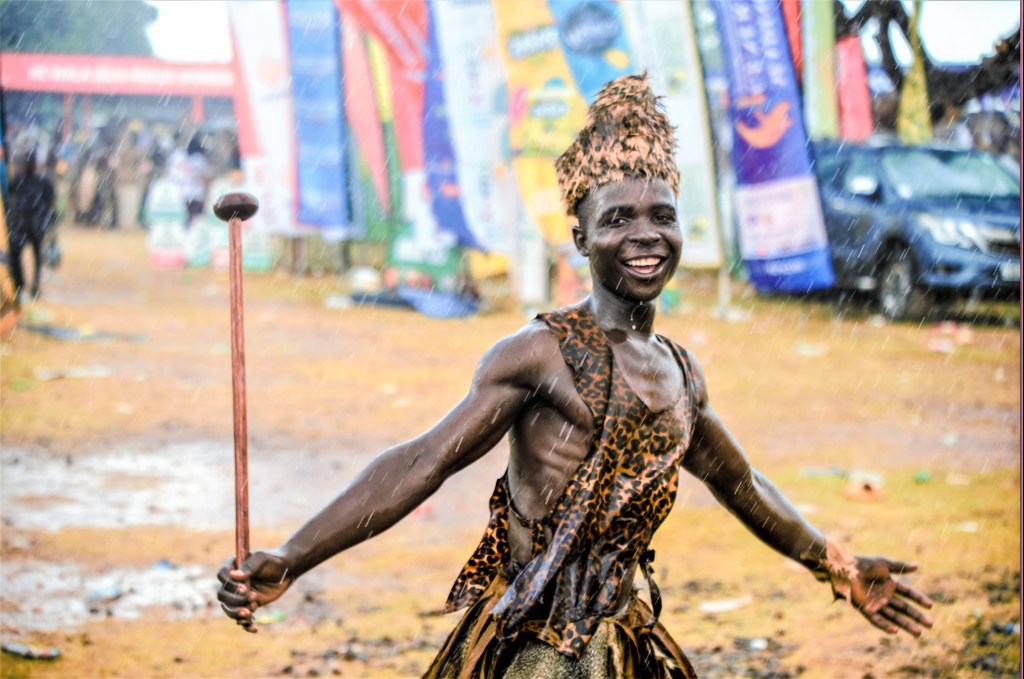
Something special happened this year during the ceremony. Some might call it a miracle. At exactly the moment the bull was struck, the rain began to fall. Before then, the region hadn’t experienced rainfall for a couple of months, despite it being rain season.
Several speakers, including President Hakainde Hichilema, during the ceremony, had been lamenting the lack of rain which is adversely affecting farmers in the area.
The rain was then seen as a sign of answered prayers from the gods. This sparked a celebration among those who were in attendance.

 Wanderlust Lulu