
I never set out to do heritage work. My journey began with travel writing, exploring new destinations, getting to know places, and capturing the essence of each place.
As I began my personal journey of discovering Africa, heritage stories began to find me. One evening in a bar in Blantyre, Malawi, a man overheard that I was from South Africa. He asked if I knew about the Zulus in Malawi, though, of course, he meant the Ngonis.
To my surprise, two centuries later, the Ngonis still identified with the Zulu heritage. Intrigued, I set out to visit the regions where I could meet the Ngonis, and so my work in heritage truly began.
I now find myself tracing dusty roads in search of unmarked graves, sitting in ceremonies where the language feels both familiar and distant, asking elders questions that don’t always have answers. I do this work because it calls to me, because it feels urgent, and it is deeply personal.
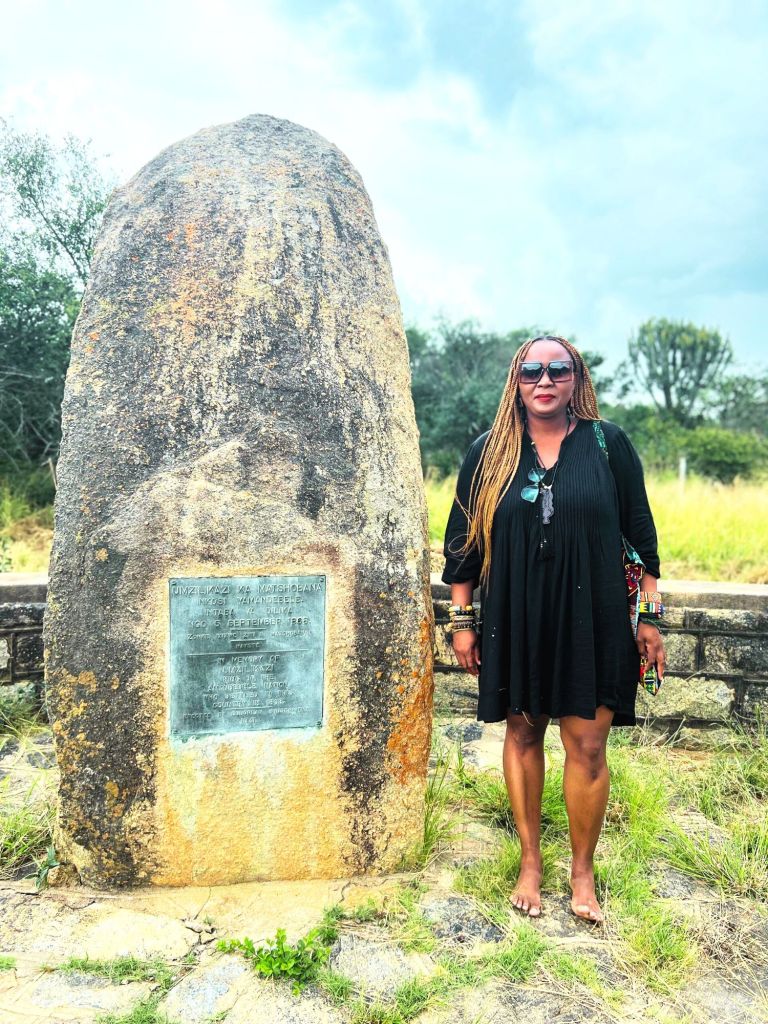
But it’s not glamorous. No flashing lights, no grand accolades. Heritage work unfolds in quiet moments on long, on bus rides, in people’s backyards, and sometimes, by sheer chance in random conversation.
So why do I keep returning?
Because something in me aches at the loss of a name, the fading of a ritual, the slipping away of a language. I am the daughter of a Xhosa father and a Zulu mother, I was raised by that Zulu mother among the Amabhaca, a people shaped by migration, resistance, and cultural assimilation. My heritage is not tidy or singular. It is layered and intersectional.
Heritage work is my way of gathering those pieces. Not just for myself, but for others like me, people suspended between past and present, belonging and longing.
In spaces where people speak of pure language and pure heritage, I often feel like I’m standing just outside the circle, curious, present, but somehow not enough.
That isolation used to shame me. Now, it drives me.
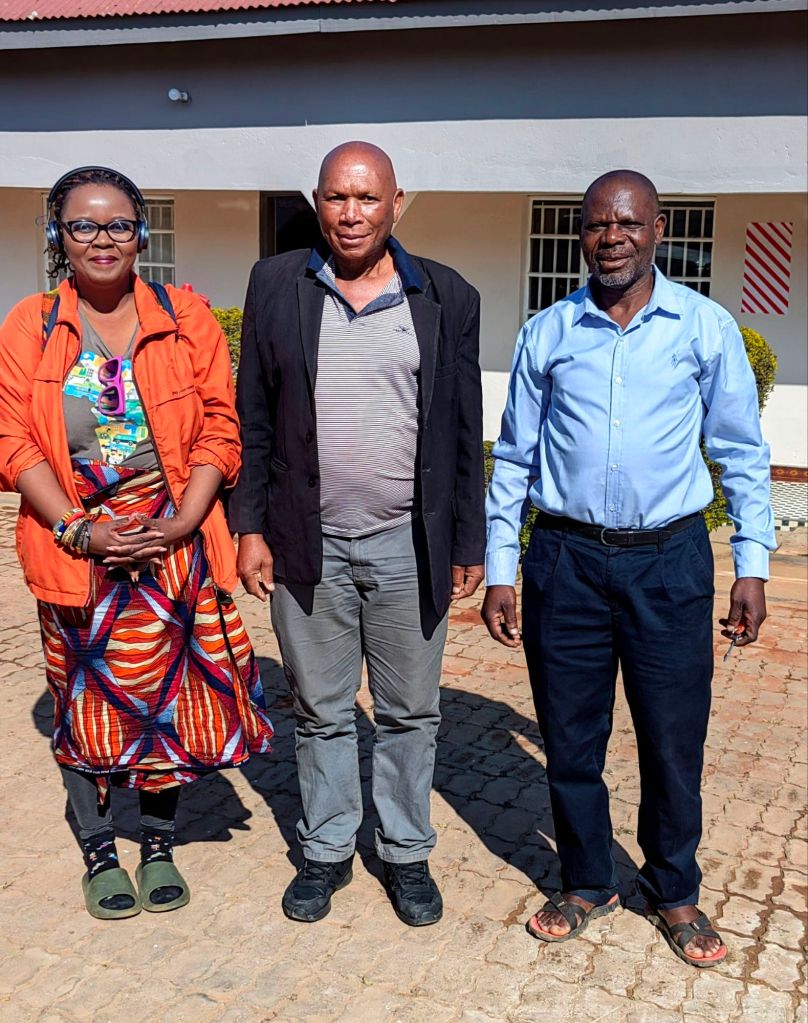
In the course of this journey, I’ve found myself in the presence of kings, queens, chiefs, and elders, people who carry centuries of memory in their lineage. Some have welcomed me with open arms. Others have studied me with caution. All of them have taught me something. Their stories remind me that heritage isn’t static, it’s alive, breathing, and adapting.
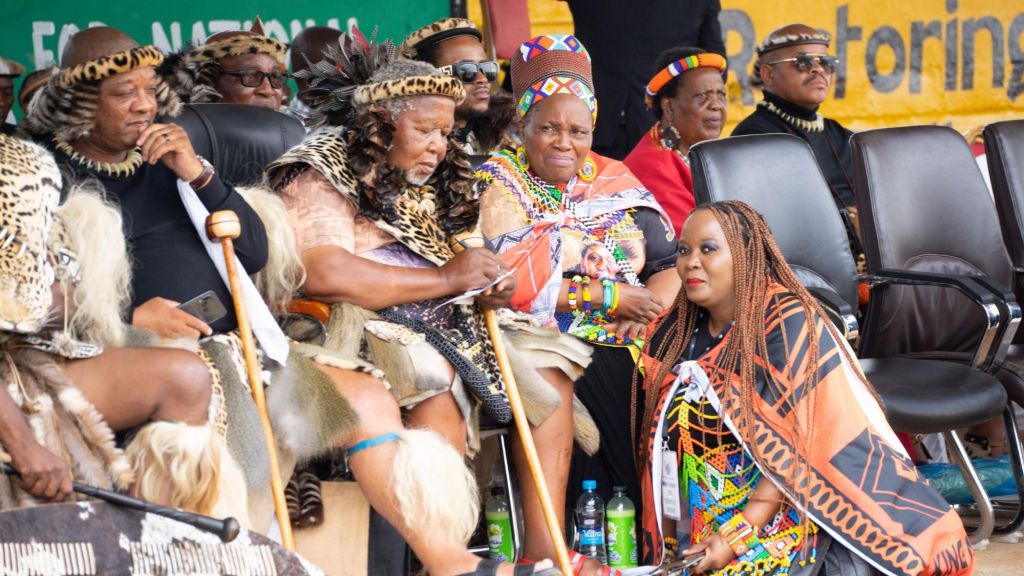
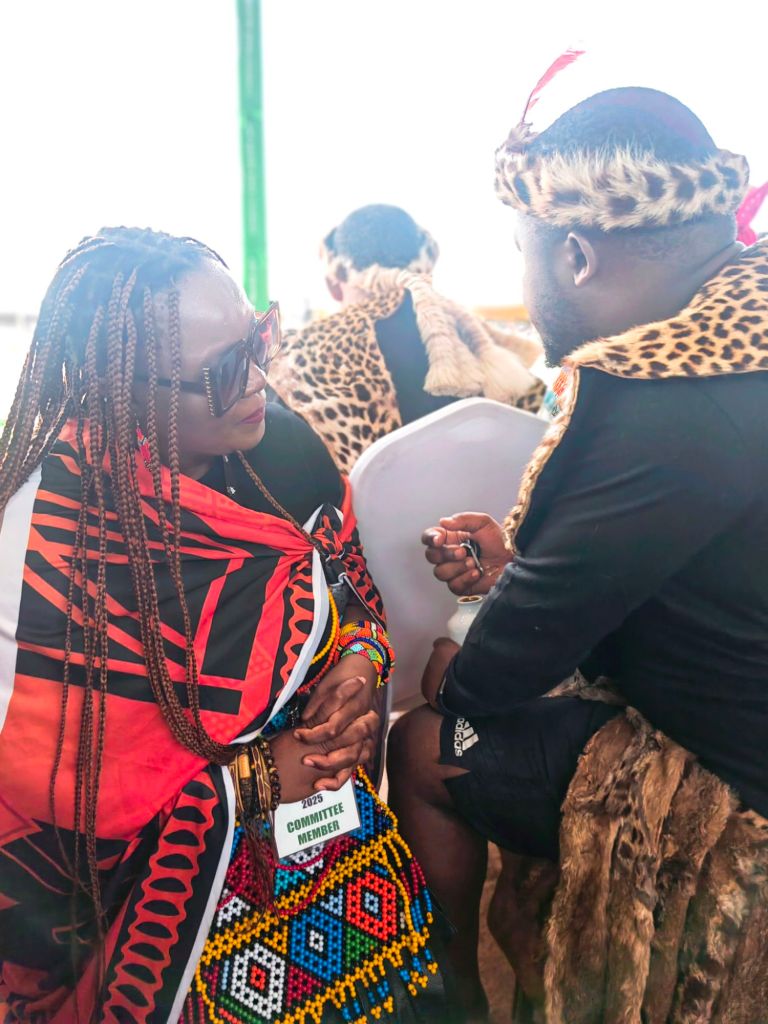
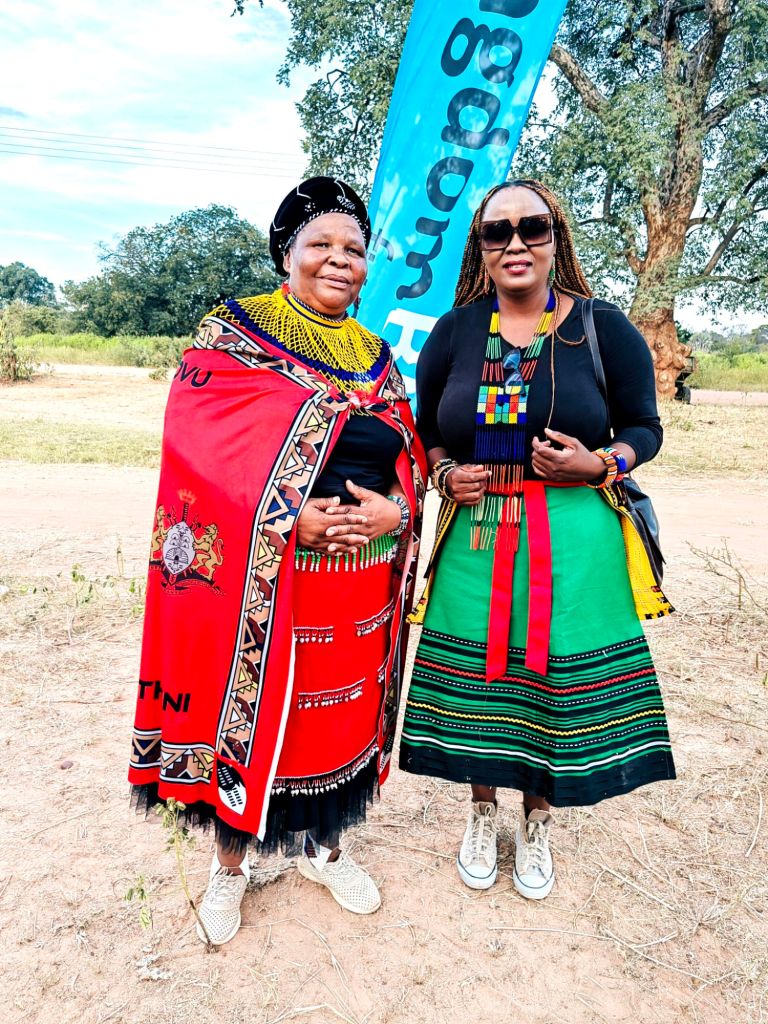
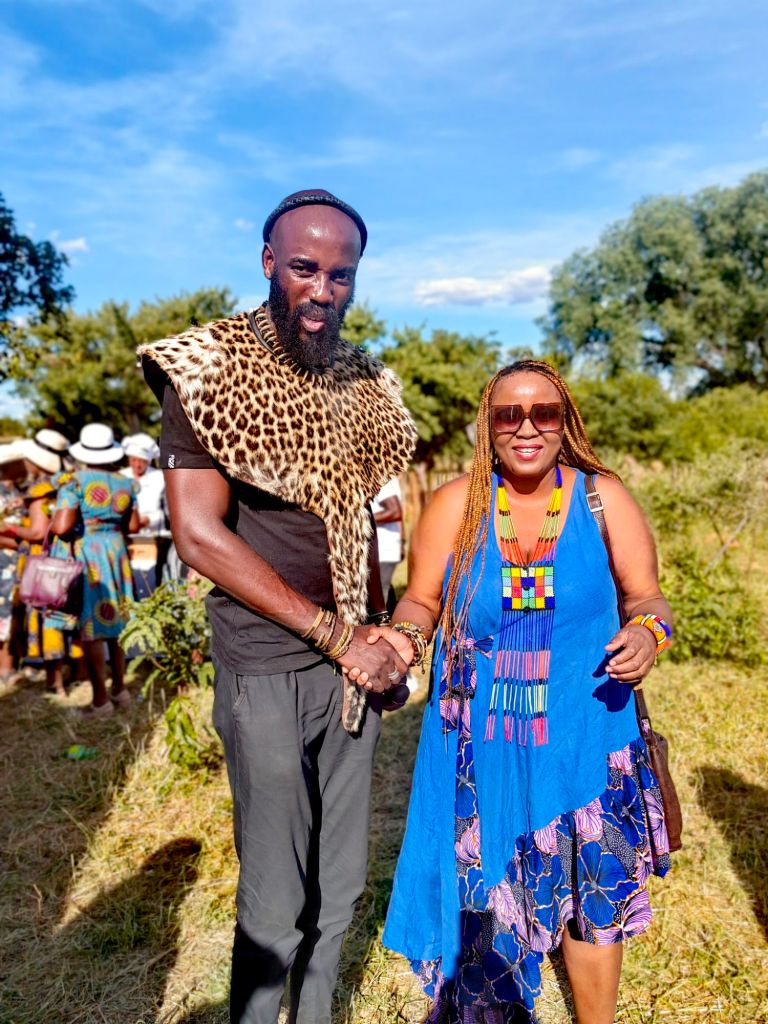
Sometimes, I’m invited in. Other times, I’m met with skepticism. And I understand both. This work has been distorted before, used for power plays or polished into neat narratives for tourism. But that’s not what I’m doing.
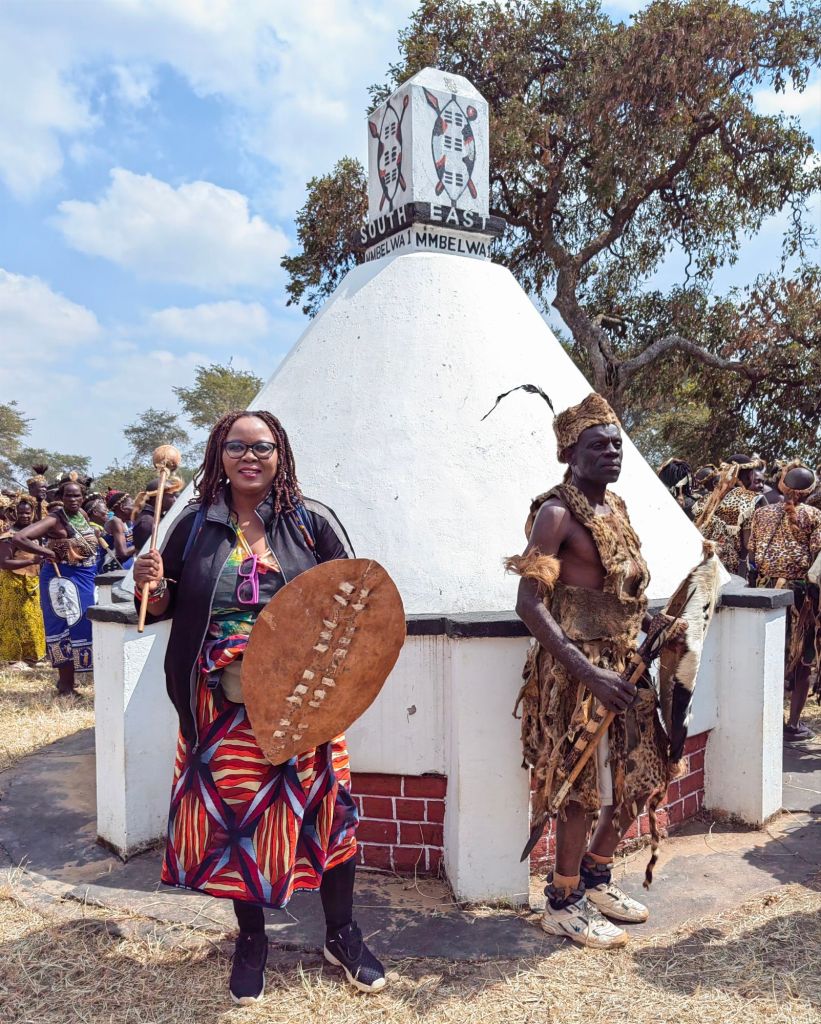
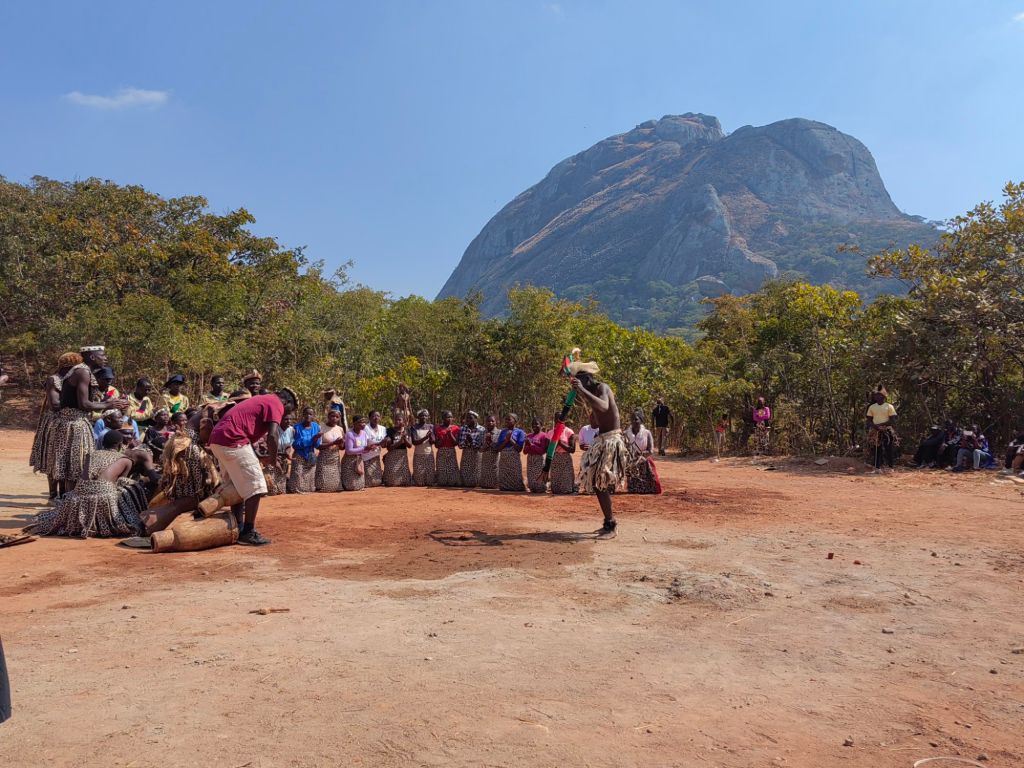
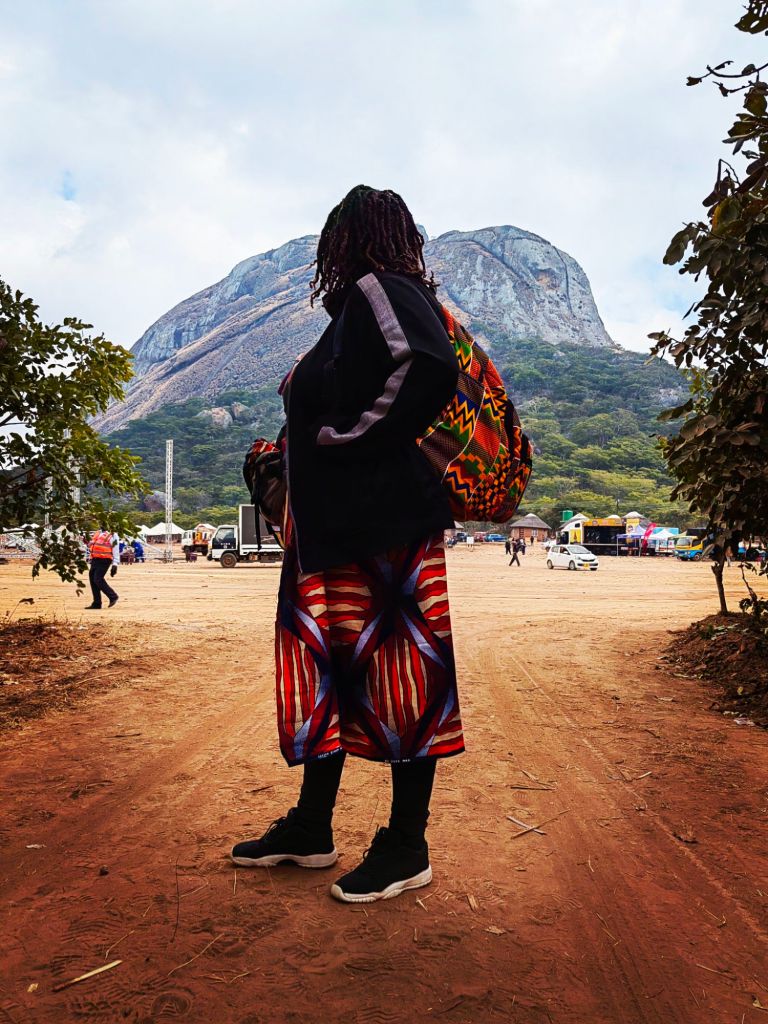
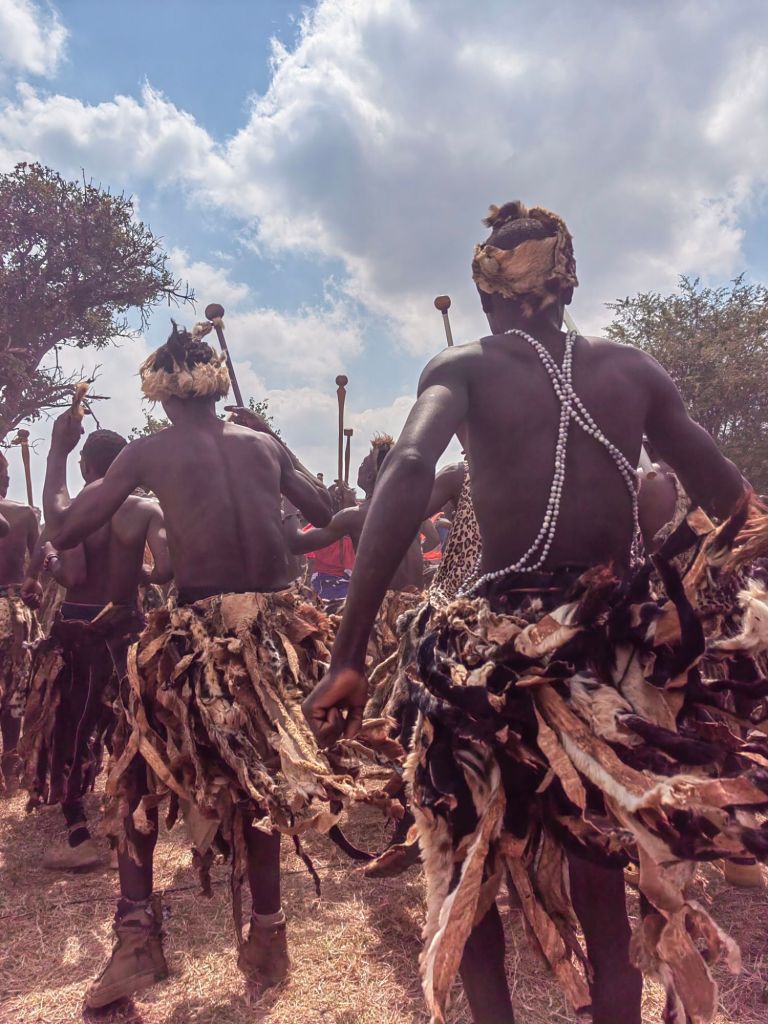
I’m looking for truth. Not always the kind you can Google. The kind that lives in people’s memories, in dances passed down through generations, in graves with no headstones. The kind that still sings even when no one is listening.
This work humbles me. It reminds me that I’m not the beginning or the end of anything, I’m just a thread in something ancient, something ongoing. And that’s enough. More than enough.
So no, it’s not easy. But I keep showing up. For the stories. For the silences. For the echoes.
For home.

 Wanderlust Lulu