In July 2025, the UNESCO World Heritage Committee added 26 new sites to its prestigious list of cultural and natural wonders. Among these, three are on the African continent, each with its own rich story, environmental significance, and community heritage. Here’s a look at what’s been inscribed, what it means, and why it matters.
Malawi: The Mulanje Mountain Biosphere Reserve
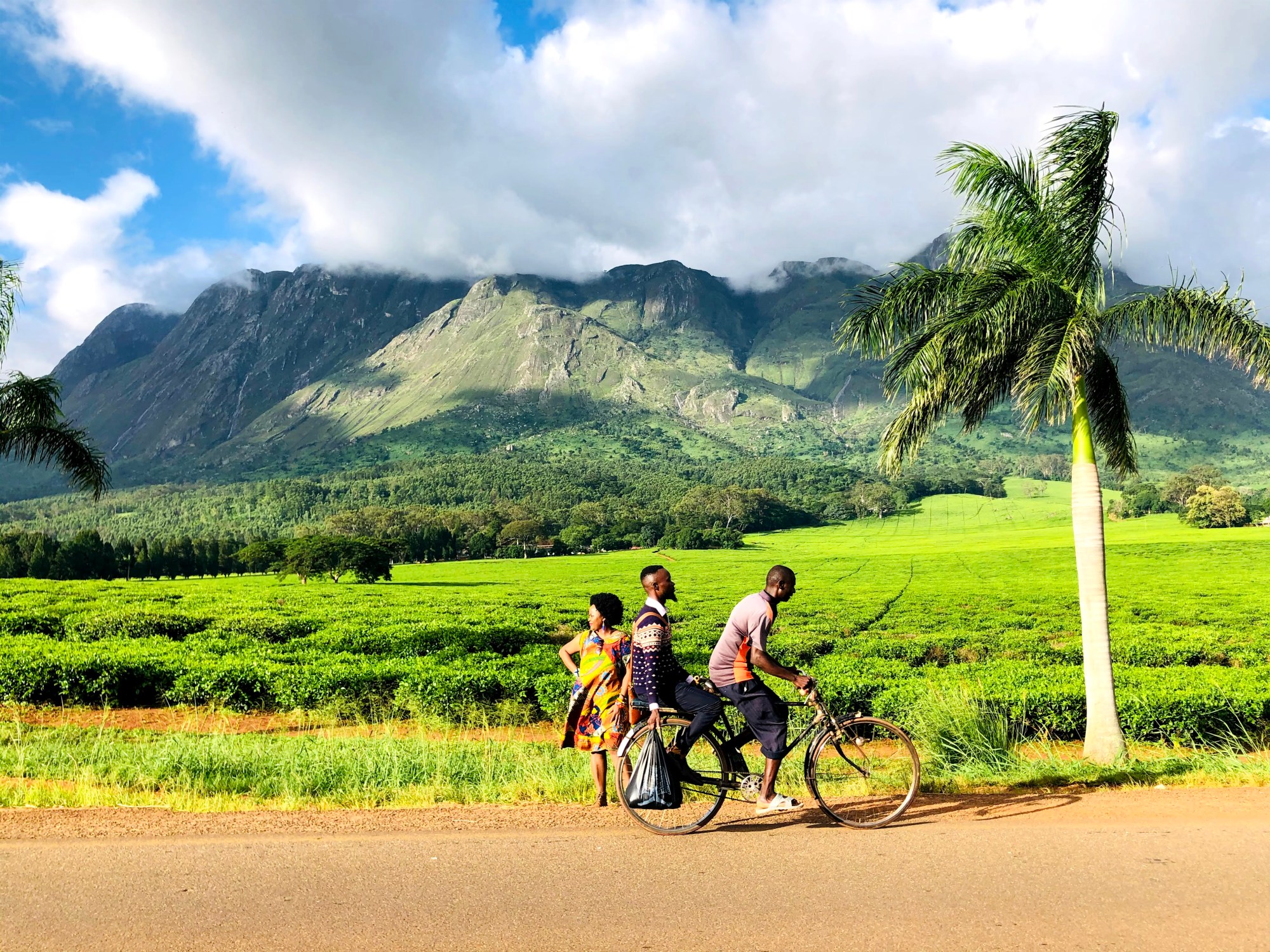
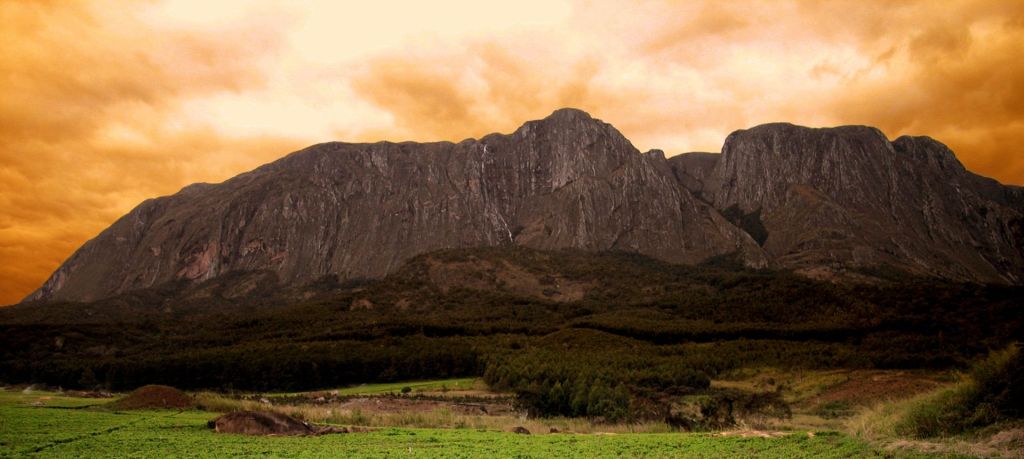
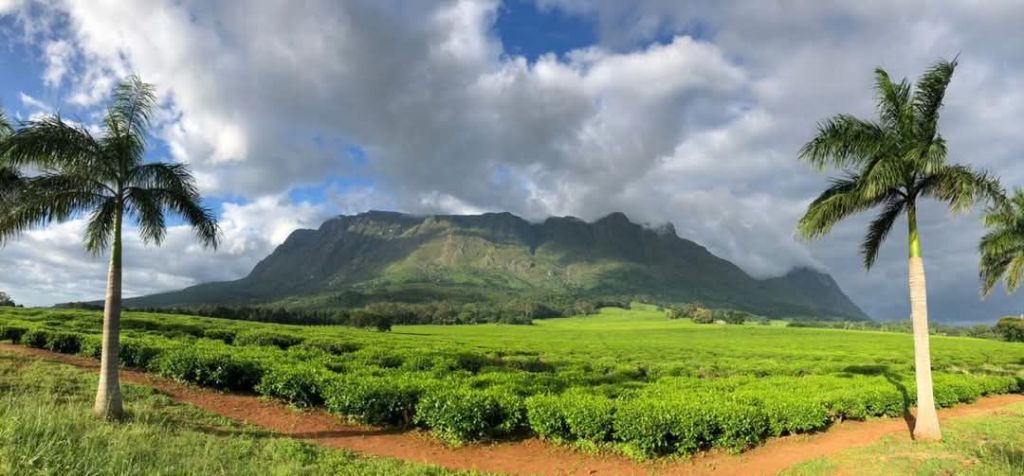
Located in southern Malawi, Mount Mulanje is home to rare species and lush, endemic forests. Revered by local communities, the mountain is a source of water, livelihood, and spiritual meaning. The newly designated World Heritage Site includes both the biological wealth of the area and its cultural resonance.
With dramatic granite peaks and montane forests, Mount Mulanje is also home to the endangered Mulanje cedar (Widdringtonia whytei), Malawi’s national tree. The mountain is interwoven with stories of ancestral spirits, initiation practices, and communal stewardship, highlighting its status as more than just a natural site it is part of Malawi’s cultural soul.
Guinea-Bissau: Bijagós Archipelago – Cultural and Natural Landscape
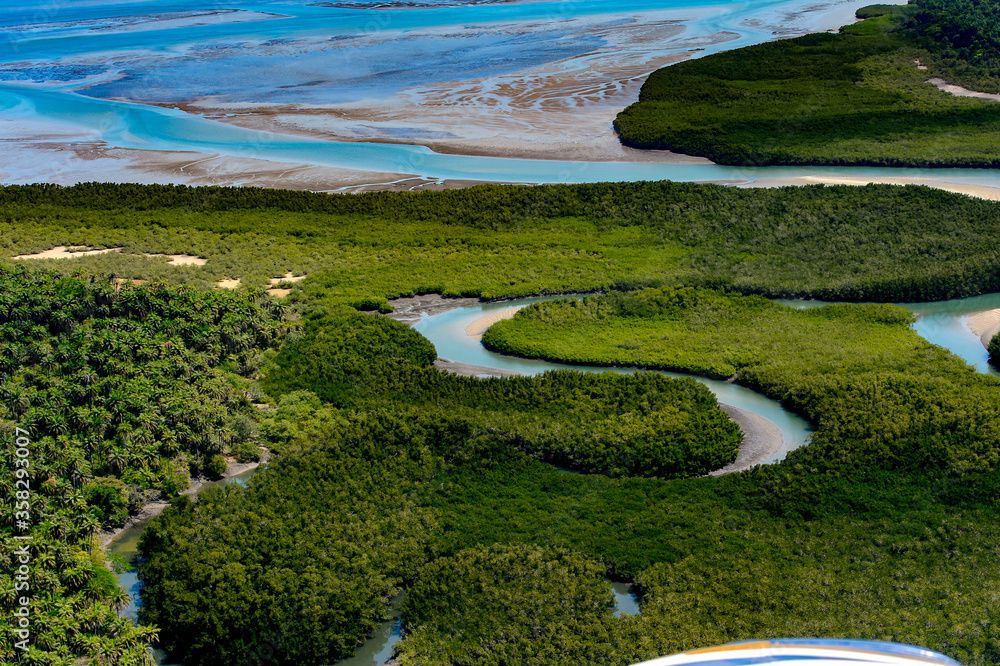
The Bijagós Archipelago off the coast of Guinea-Bissau is a mosaic of over 80 islands, known for their ecological and spiritual richness. This World Heritage Site recognizes the harmony between the natural biodiversity and the cultural practices of the Bijagó people. Matriarchal in social structure, the Bijagó communities maintain a worldview that honors the sea, land, and ancestral spirits.
Mangroves, tidal flats, and tropical forests provide a sanctuary for migratory birds, manatees, sea turtles, and other vulnerable species. What sets the archipelago apart is the way traditional knowledge shapes the sustainable use of these ecosystems. In a world of increasing ecological strain, the Bijagós offer a compelling model of coexistence.
Cameroon: Diy-Gid-Biy Cultural Landscape
Found in the Mandara Mountains of northern Cameroon, the Diy-Gid-Biy Cultural Landscape reflects centuries of adaptation to a rugged environment. Communities here have built terraced fields, stone homesteads, and sacred sites that mirror a deeply rooted connection to land, ancestry, and survival.
The UNESCO recognition celebrates both the tangible heritage dry-stone architecture, traditional agriculture and the intangible elements such as rituals, oral traditions, and community knowledge systems. This inscription affirms the ingenuity and resilience of societies that thrive outside of the mainstream, often underrecognized in broader global heritage discourse.
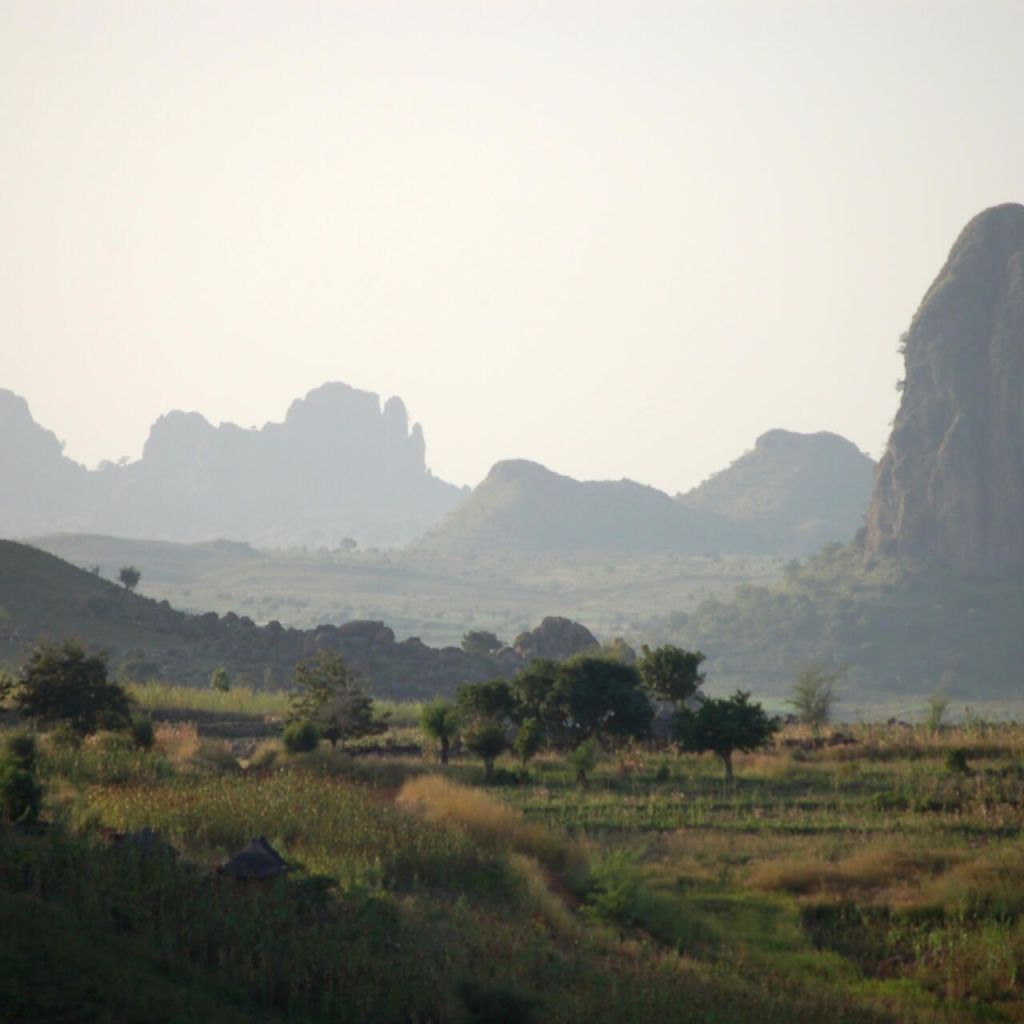

© UNESCO / Media Outlet, and note UNESCO designation in 2025.
Sierra Leone’s First UNESCO World Heritage Site: The Gola-Tiwai Complex
In 2025, Sierra Leone celebrated its first UNESCO World Heritage Site with the Gola‑Tiwai Complex. This natural treasure combines the Gola Rainforest and Tiwai Island Sanctuary, home to rare wildlife like pygmy hippos and forest elephants. The site highlights successful community-led conservation efforts, making it a beacon of ecological and cultural importance in West Africa.
Egypt: Abu Mena Monastery – From Danger to Preservation
In July 2025, Egypt celebrated a significant conservation achievement with the removal of the Abu Mena Monastery from UNESCO’s List of World Heritage in Danger. Located southwest of Alexandria, this 4th–7th century Christian pilgrimage site had faced threats from rising groundwater levels due to nearby irrigation. Through a comprehensive conservation plan including advanced drainage systems and community engagement the site’s structural integrity has been restored. This milestone underscores Egypt’s commitment to preserving its rich cultural heritage for future generations.
The Full List: All 26 Newly Inscribed Sites (2025)
While this blog highlights the African additions, here is the complete list of newly inscribed World Heritage Sites for 2025:
- Diy-Gid-Biy Cultural Landscape (Cameroon)
- Bijagós Archipelago – Cultural and Natural Landscape (Guinea-Bissau)
- Mulanje Mountain Biosphere Reserve (Malawi)
- Cultural Landscape of Old Tbilisi (Georgia)
- Evaporitic Karst and Caves of the Northern Apennines (Italy)
- Funeral and Memory Sites of the First World War (Belgium, France)
- Gedeo Cultural Landscape (Ethiopia)
- Gordion (Türkiye)
- Historic Town of Korčula (Croatia)
- Khmer Empire Hydraulic System of Angkor (Cambodia)
- Koutammakou, the Land of the Batammariba (Benin, Togo – extension)
- Kulangsu (China – extension)
- Kumano Sanzan Sacred Sites (Japan)
- Kweneng’ Ruins (South Africa – pending)
- Late Roman Irrigation System of the Eastern Desert (Egypt)
- Mount Wutai (China – extension)
- Old City of Nablus (Palestine)
- Prehistoric Sites of the Lake District (UK)
- Pyramid Fields from Abu Sir to Dahshur (Egypt – extension)
- Sacred Ensembles of the Hoysalas (India)
- San Antonio Missions (USA – extension)
- Santiniketan (India)
- Sceilg Mhichíl (Ireland – extension)
- Thimlich Ohinga Cultural Landscape (Kenya – extension)
- Twin Mosques of Mosul (Iraq)
- Yancheng Wetlands (China)
Whether in the highlands of Cameroon or the waters of Guinea-Bissau, these sites remind us of the wealth of African knowledge systems and ecological heritage. UNESCO’s recognition not only preserves these treasures but also amplifies the voices of communities who have protected them for generations.
Lulama Njapa

 Wanderlust Lulu