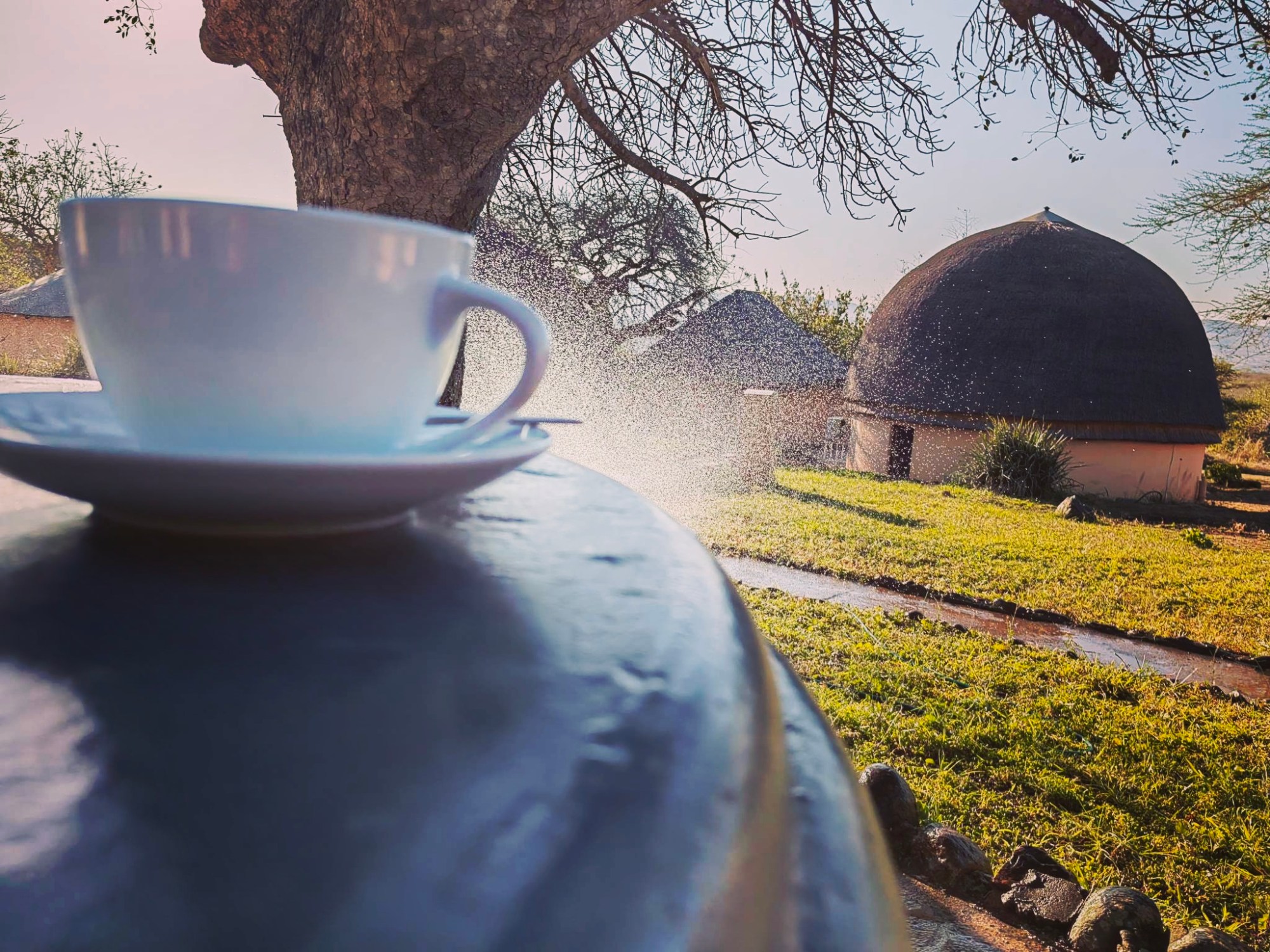
The thing about Zulu history is that it isn’t always locked away in libraries & archives. It is alive. You can trace the footsteps of historic figures and walk on the land that still holds their blood. The whole province is a living archive. From royal homesteads to battlefields, every corner carries a story. And for true immersion, you need to visit Zululand, in particular. It’s where the legacy of kings, both long gone and still reigning, warriors, and healers still pulses through daily life. You won’t just see history, you’ll walk inside it. Literally.
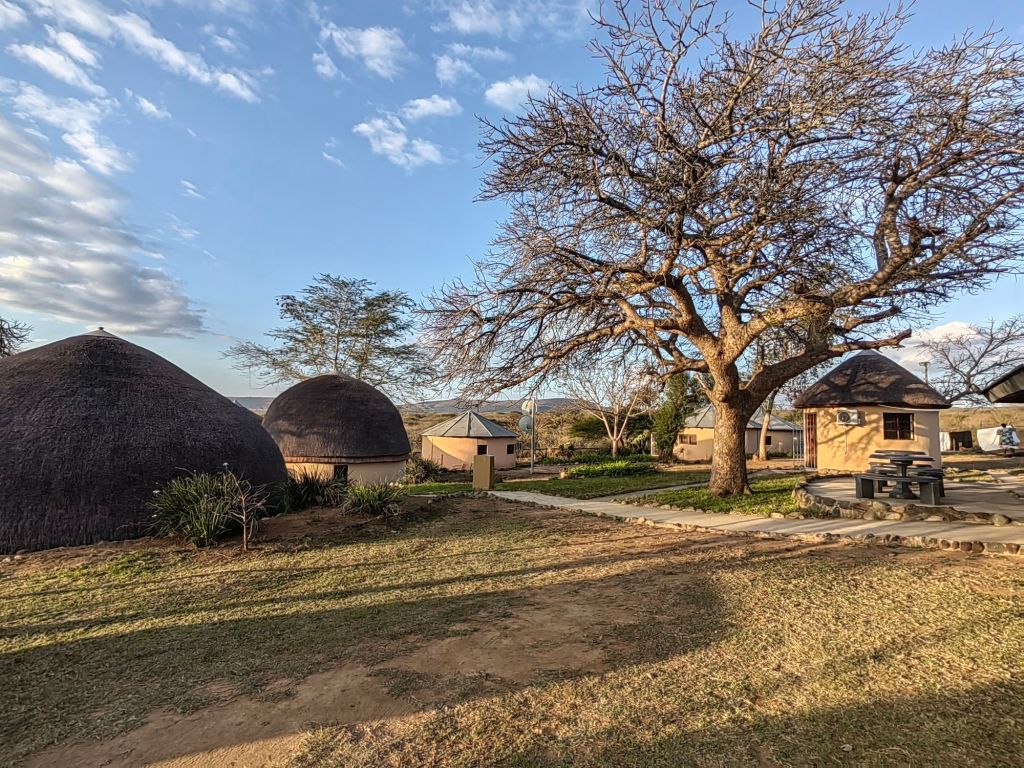
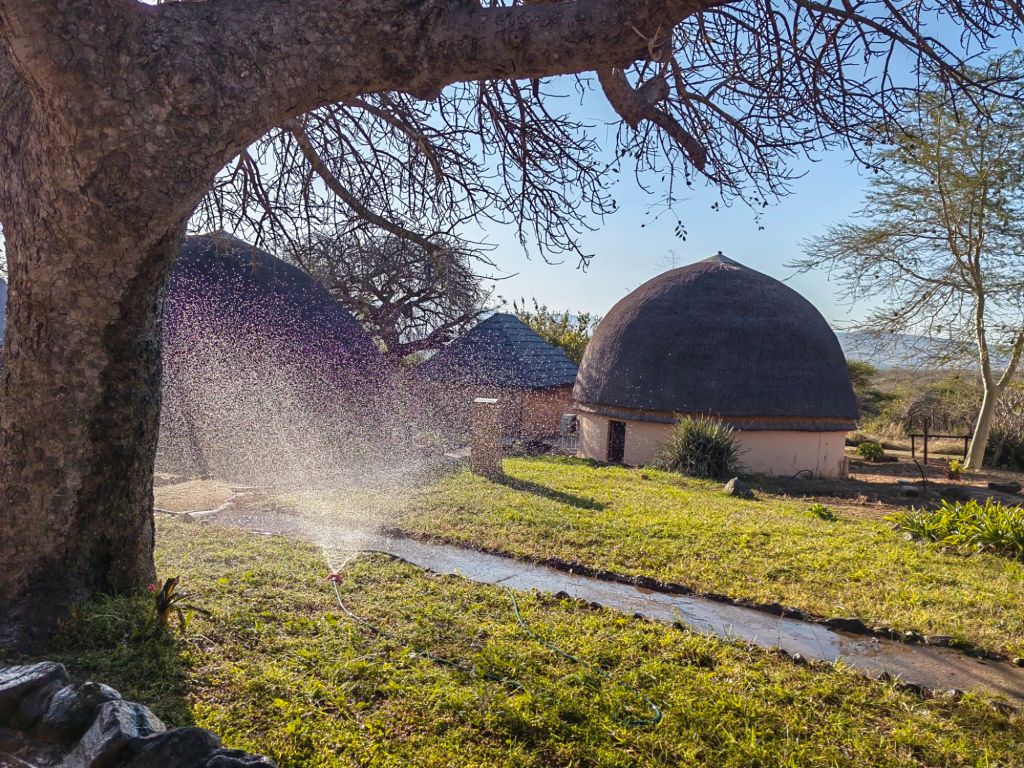
And if you’re looking for accommodation in Ulundi, look no further than Umuzi Bush Camp. Located next to the KwaZulu Cultural Museum and the Ondini Historic Site, this camp offers more than just accommodation. It’s an immersive history lesson, curated by Amafa aKwaZulu-Natal, the custodians of heritage in the province.
What’s So Special About Umuzi Bush Camp?
It is located on the site of King Cetshwayo’s royal residence. Cetshwayo kaMpande was the last king of an independent Zulu nation before British annexation. His palace, known as Ondini, was built in the 1870s and served as the political and cultural center of the Zulu kingdom during his reign.
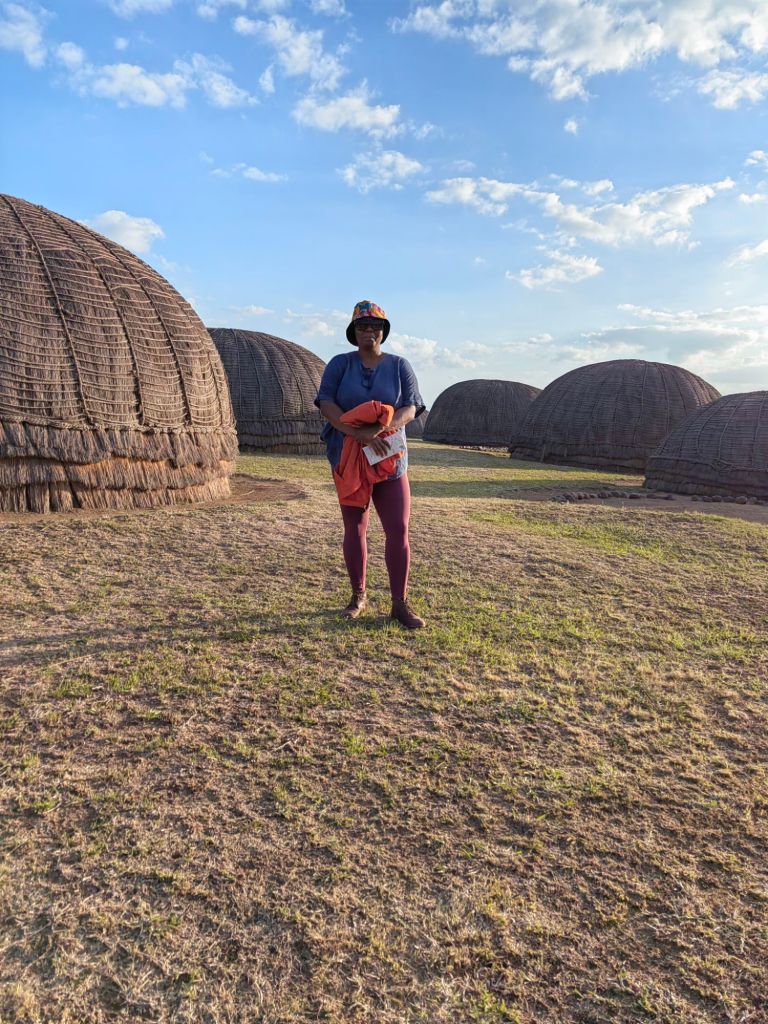
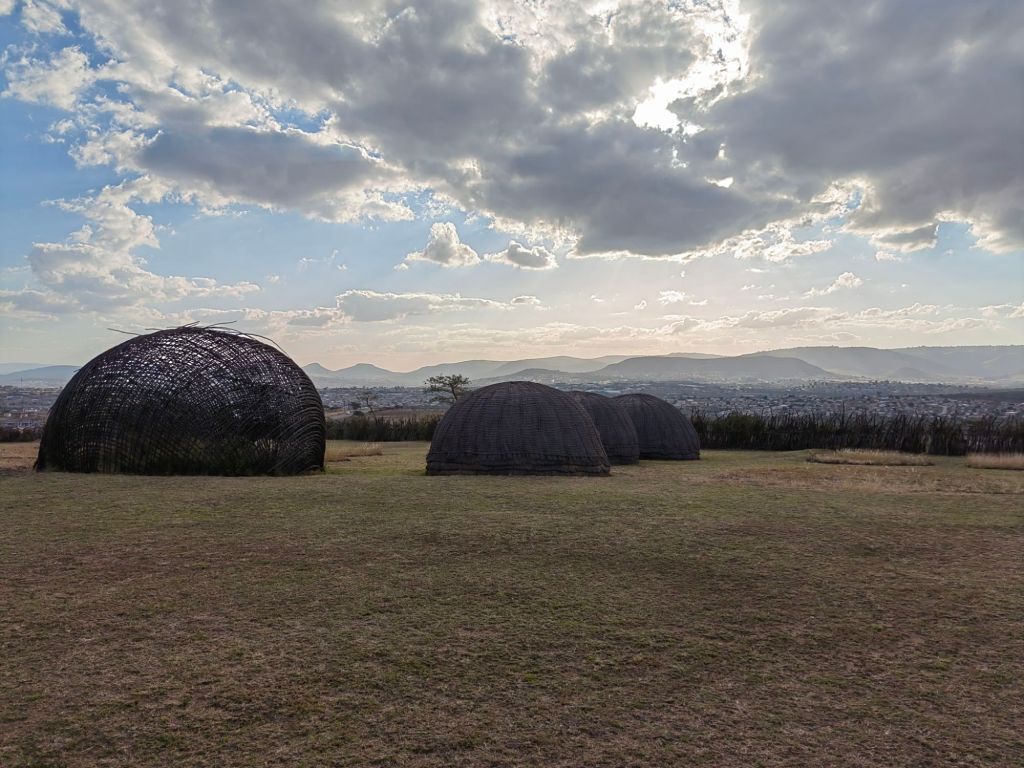
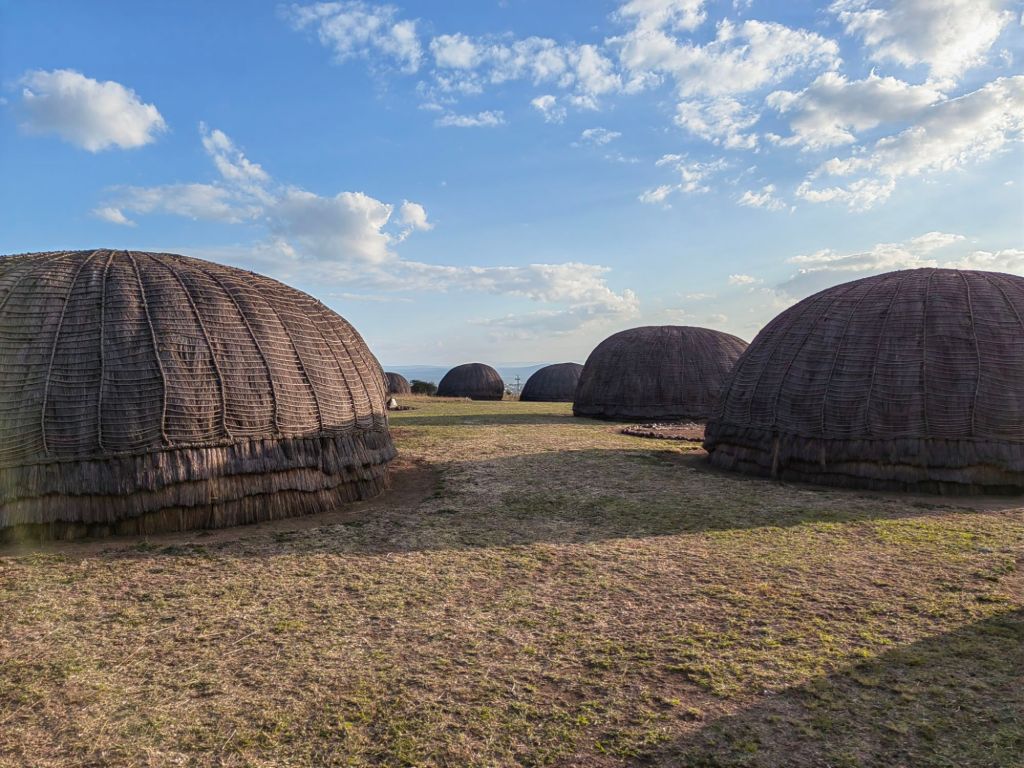
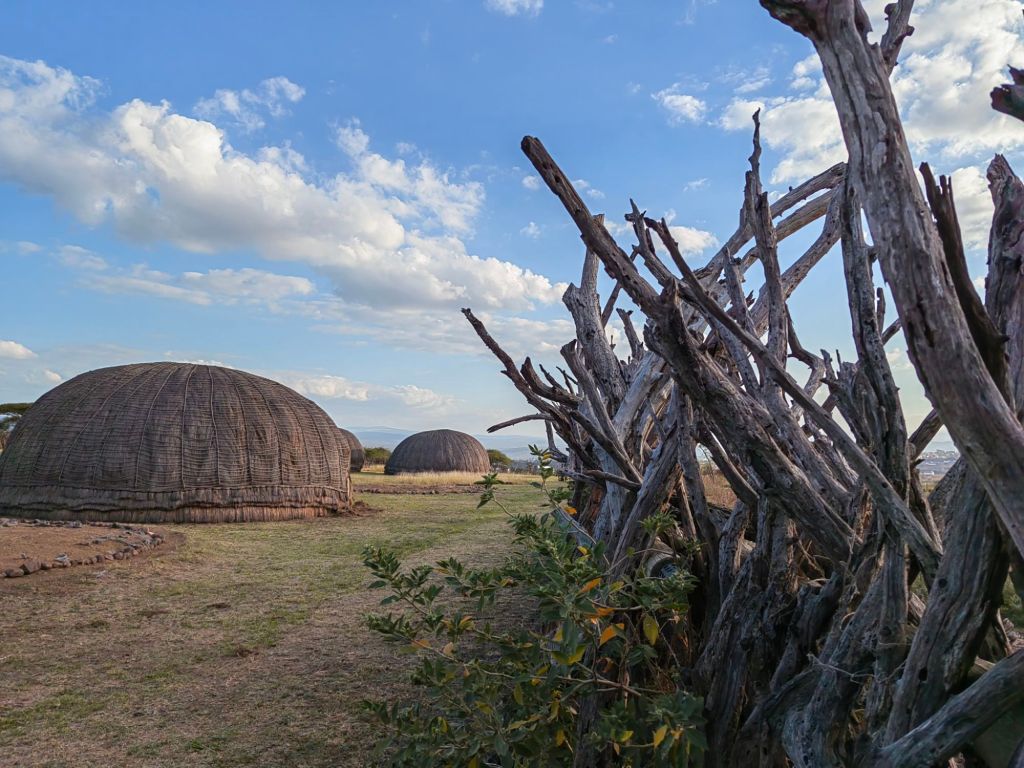
The camp sits next to the KwaZulu Cultural Museum and the Ondini Historic Site, which includes reconstructed elements of the original royal homestead. Visitors can explore exhibits on Zulu history, traditional leadership, and the Anglo-Zulu War.
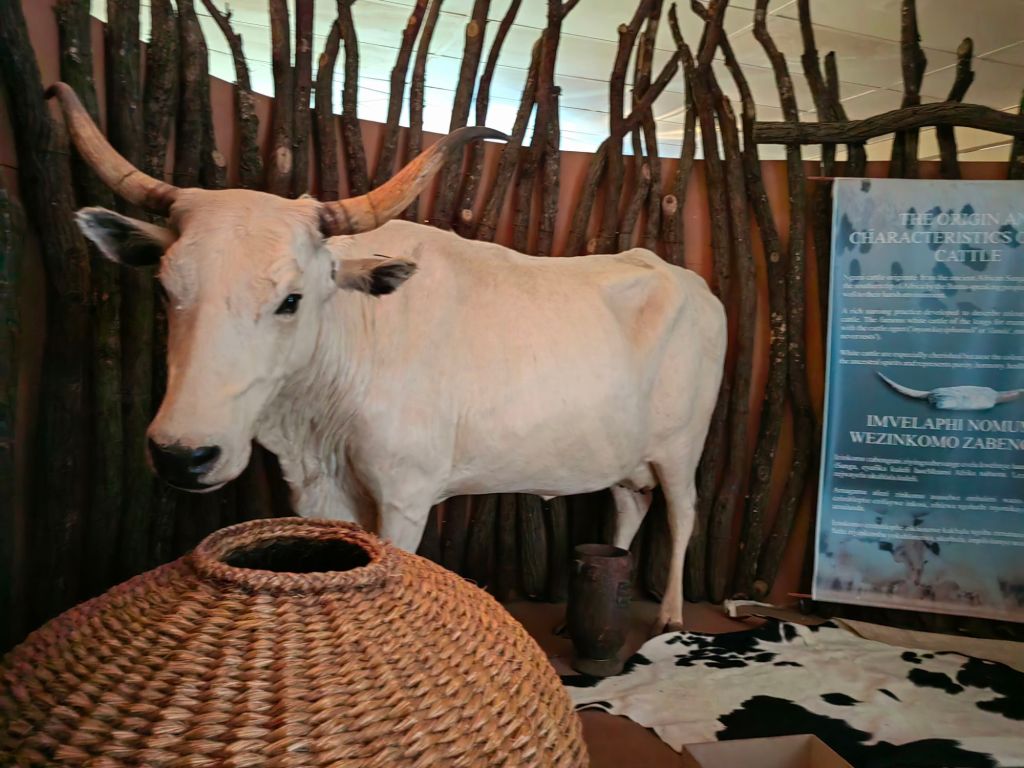
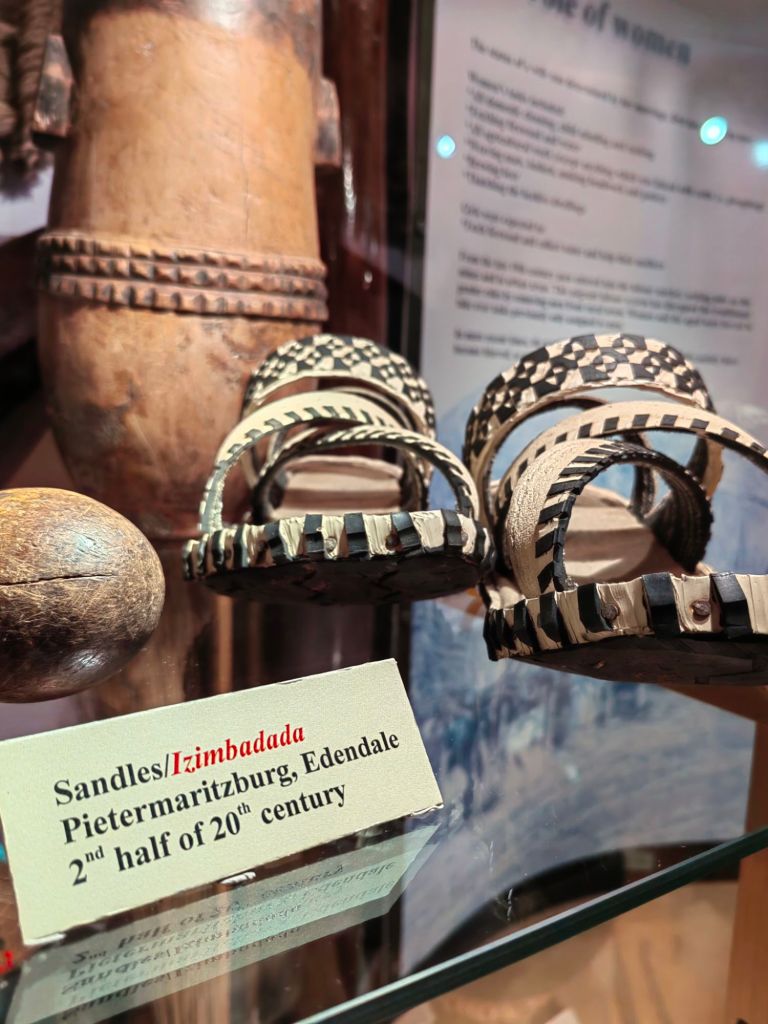
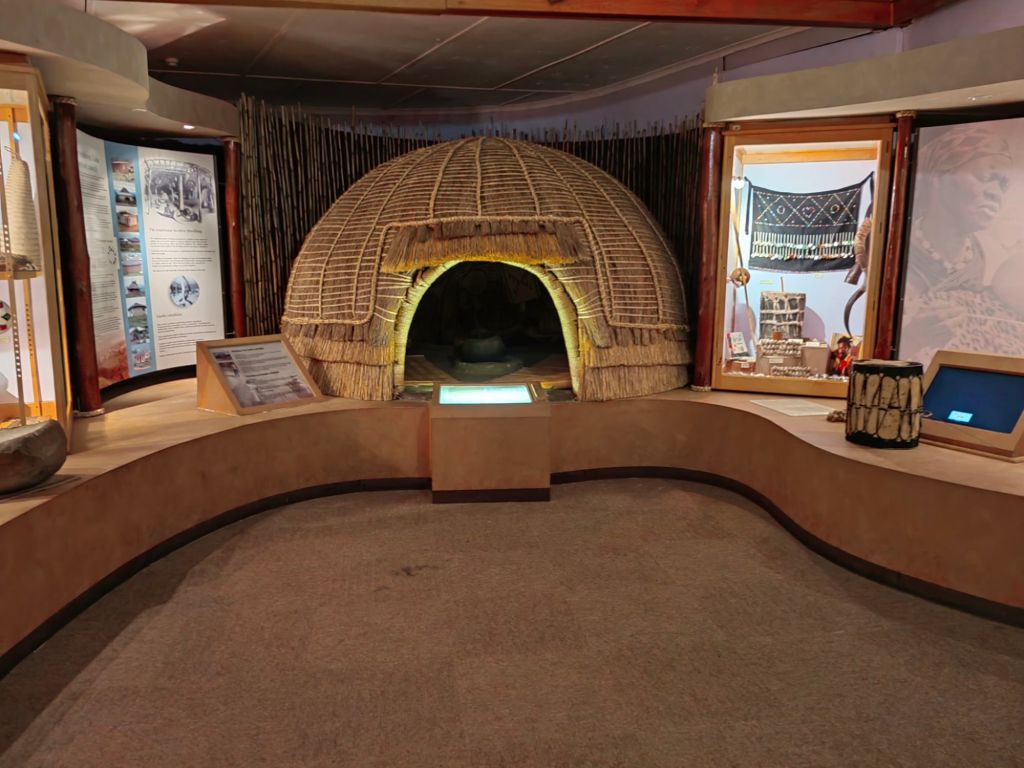
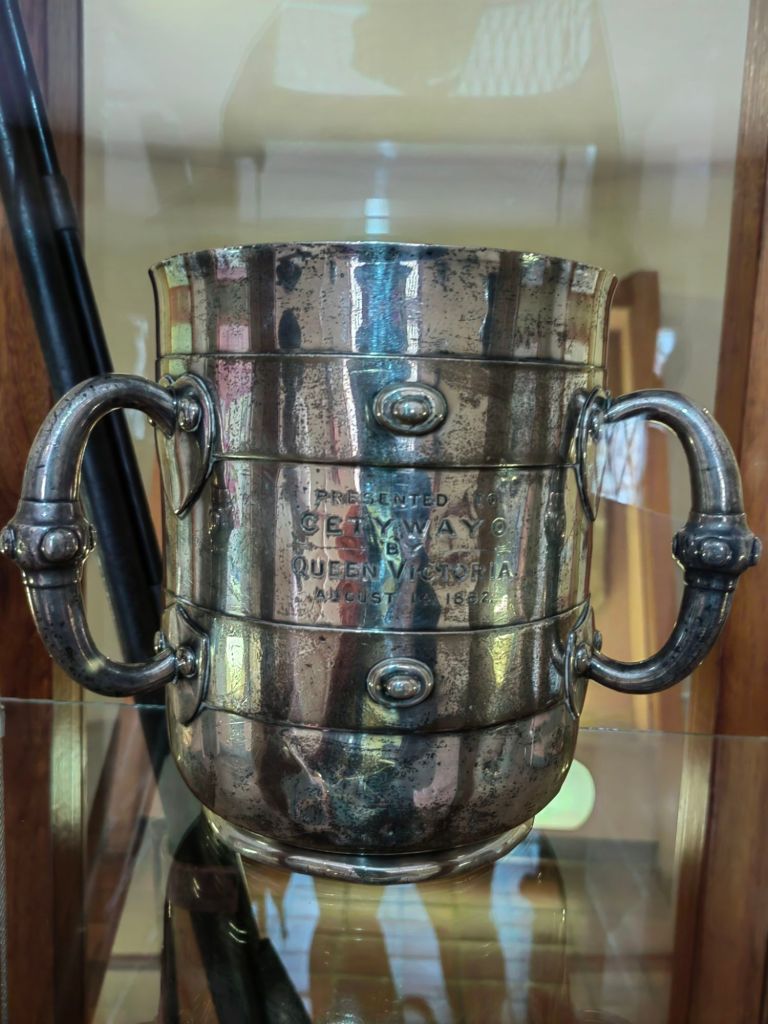
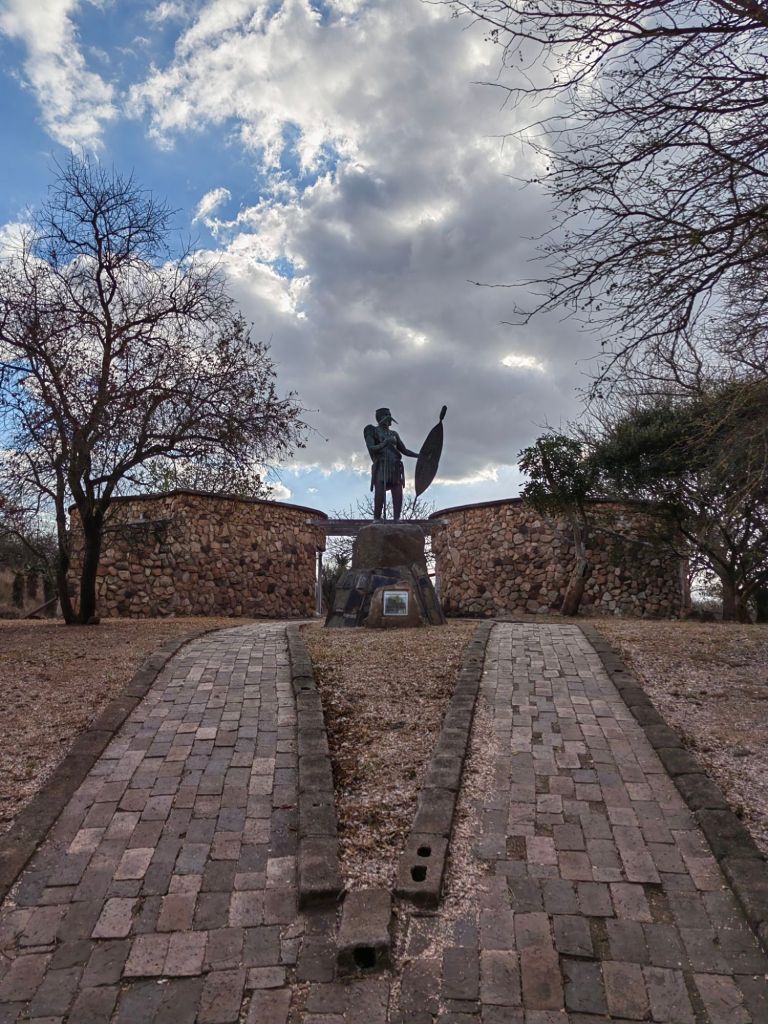
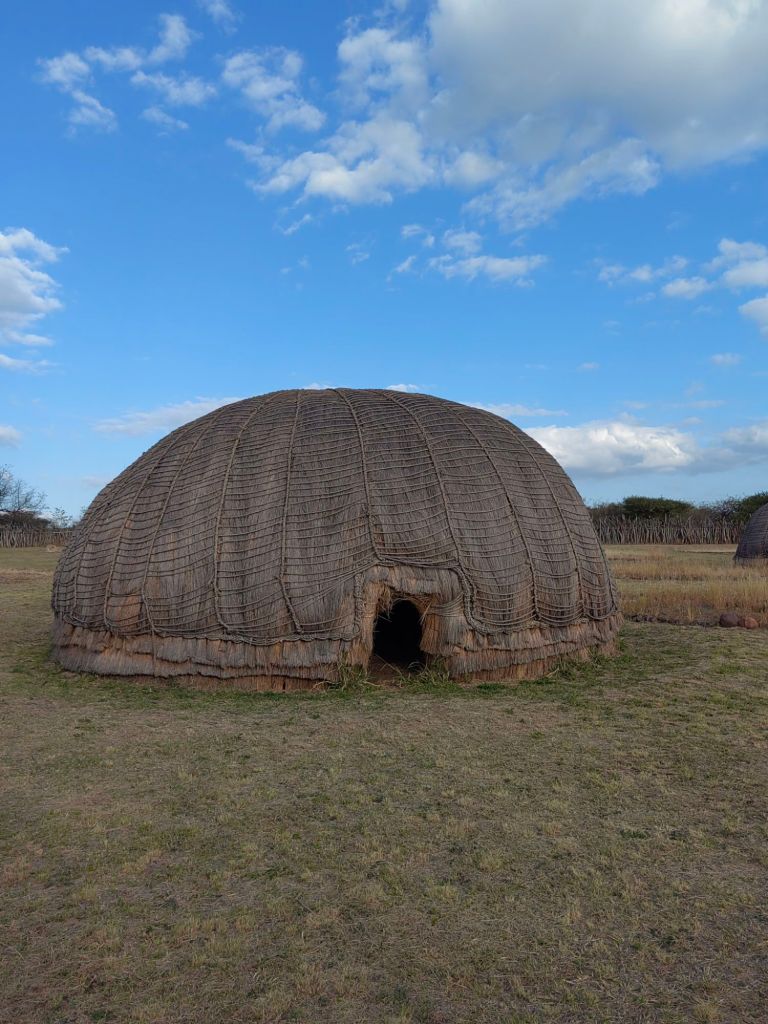
Umuzi Bush Camp offers accommodation in traditional-style rondavels and provides direct access to these heritage sites, making it a practical base for anyone interested in Zulu history and cultural tourism.
What “Umuzi” Means
In isiZulu, umuzi is a homestead. Traditional homesteads were arranged in a circular layout with huts (often thatched) surrounding a central cattle kraal. The design reflects social order, security, and community life. Umuzi Bush Camp draws on this form to give visitors a grounded sense of place.
What to Expect at Umuzi Bush Camp
Traditional thatched huts (rondavel/iQhugwane) that echo Zulu village architecture. All rondavels are named after important female figured from Zulu Royalty.
Communal area where cooking, fires, and conversations take place.
A quiet setting with open skies at night and natural soundscapes during the day.
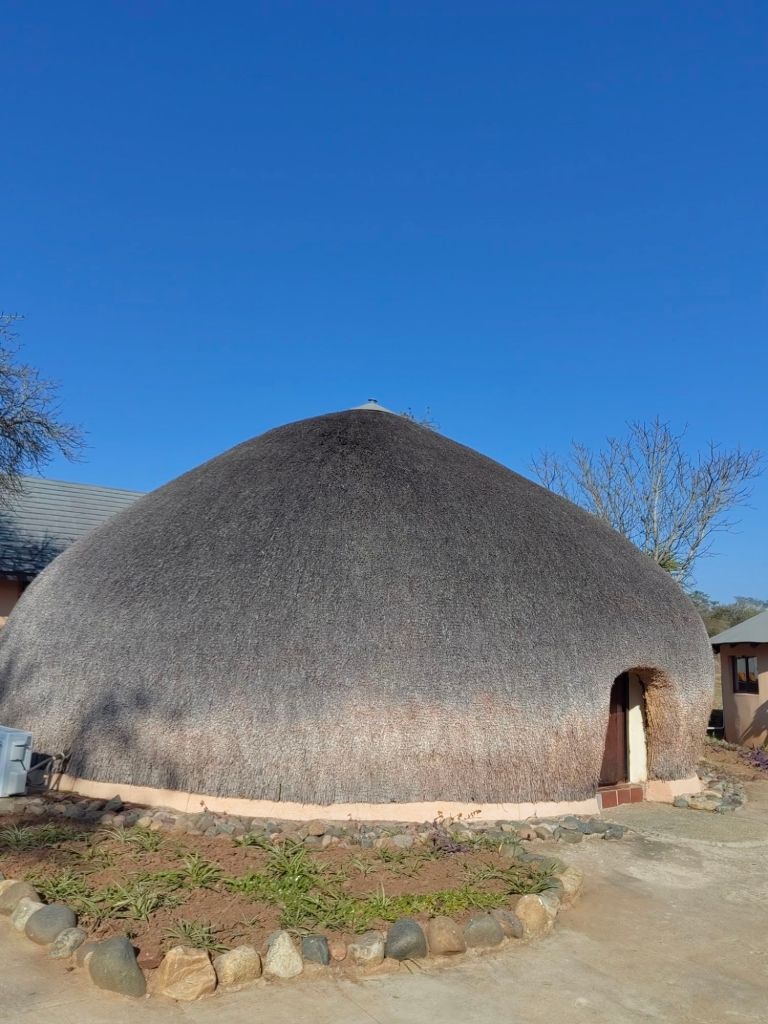
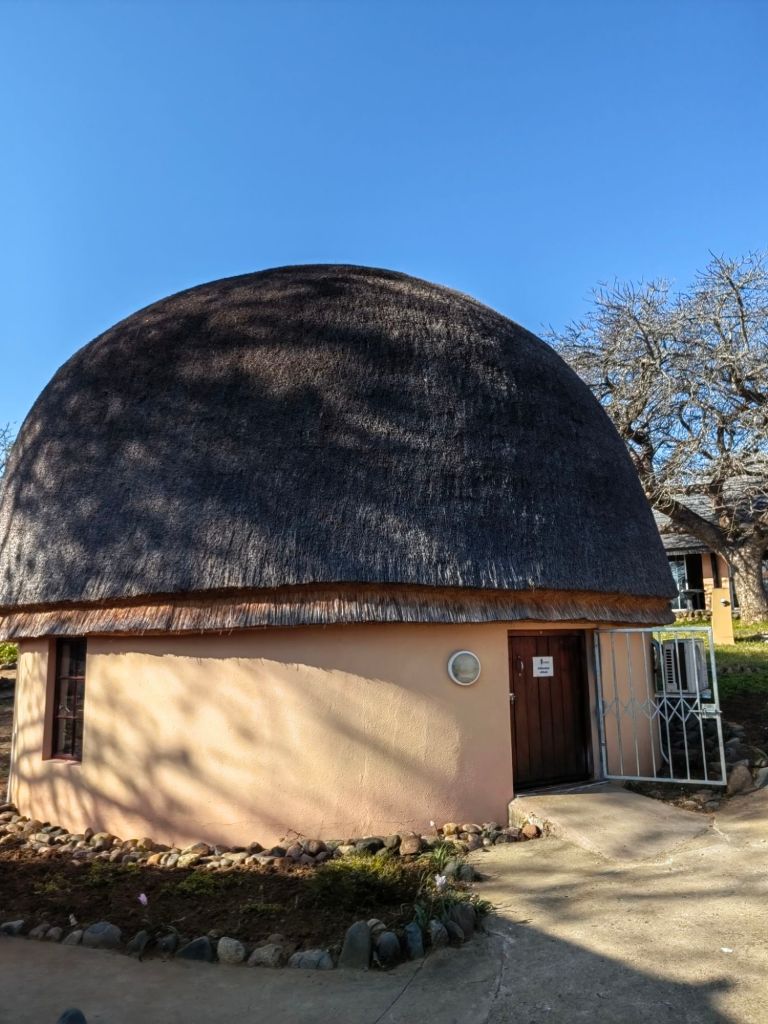
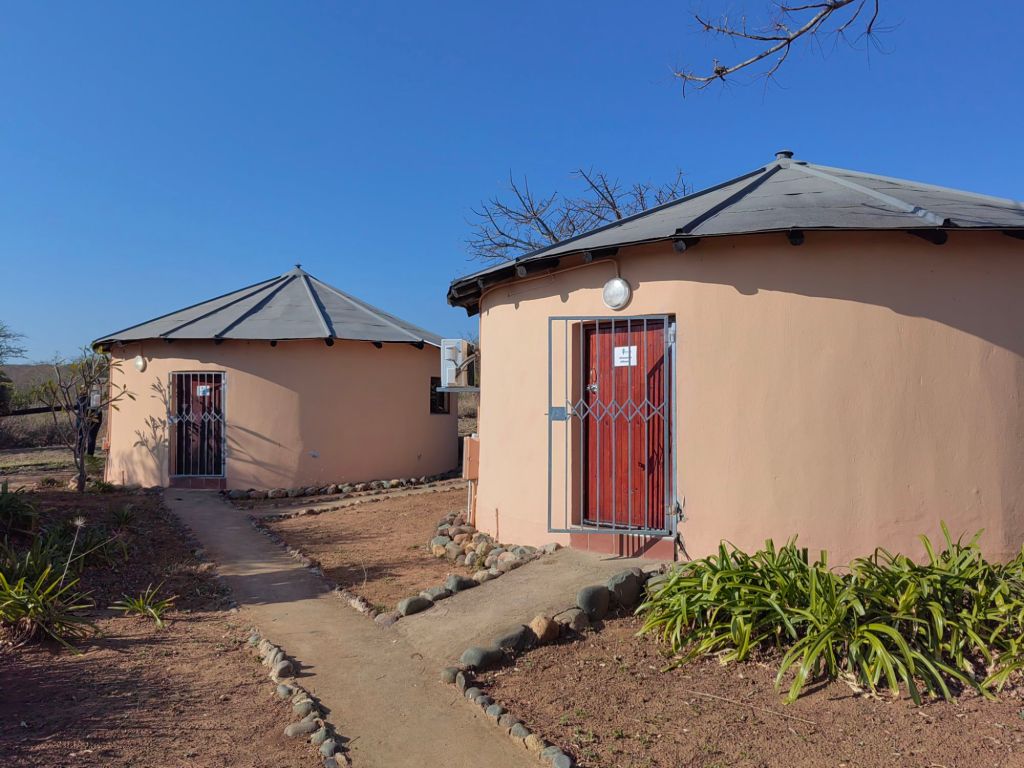
The Role of Amafa aKwaZulu‑Natal
Amafa aKwaZulu‑Natal (Heritage KZN) is the provincial heritage resources authority. Its work includes protecting, conserving, and presenting sites of cultural, spiritual, and historical significance. At Umuzi Bush Camp, Amafa’s stewardship ensures that visitors encounter heritage respectfully and that tourism supports conservation rather than undermining it.
Responsible Heritage Travel Tips
– Ask before photographing people or sensitive spaces; follow site signage and staff guidance.
-Dress respectfully and move with care around cultural objects and reconstructed areas.
-Support local guides and site stores; your spend helps keep the heritage work going.
-Avoid touching exhibits and reconstructed palisades unless invited.
-Learn a few isiZulu greetings; small efforts build good connection.
Umuzi Bush Camp is a grounded way to learn about Zulu heritage. It is simple, direct, and closely linked to spaces where history is actively interpreted. A stay here is an invitation to listen, to learn, and to contribute responsibly to the future of these stories.
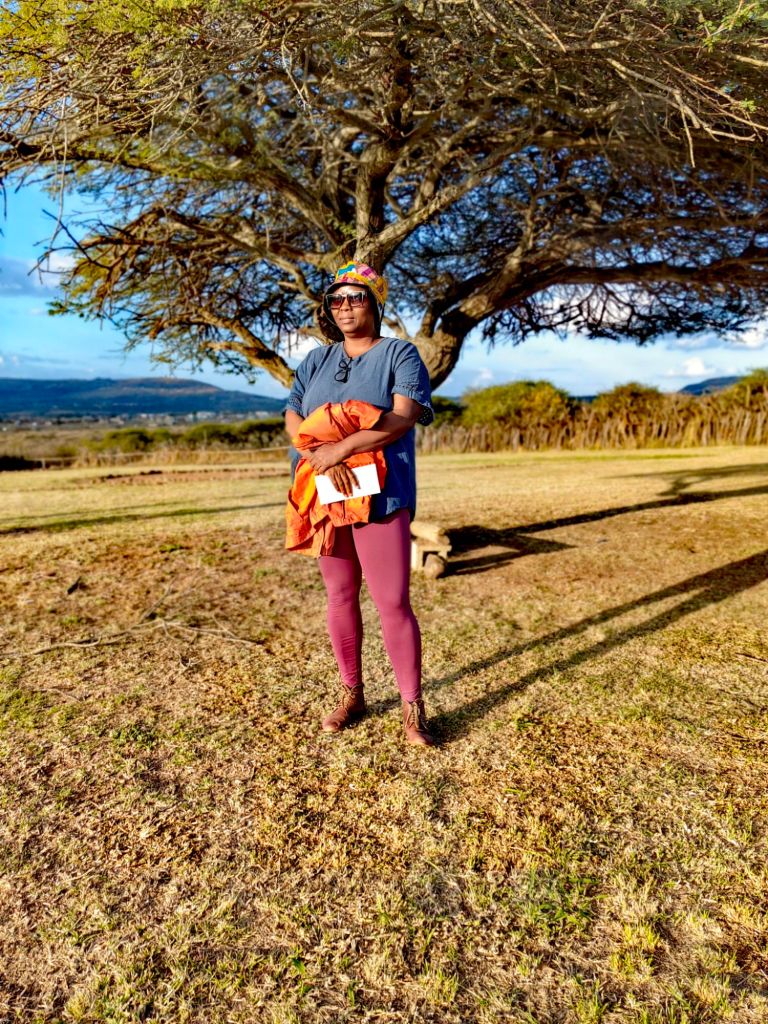

 Wanderlust Lulu