Photo: Reuters
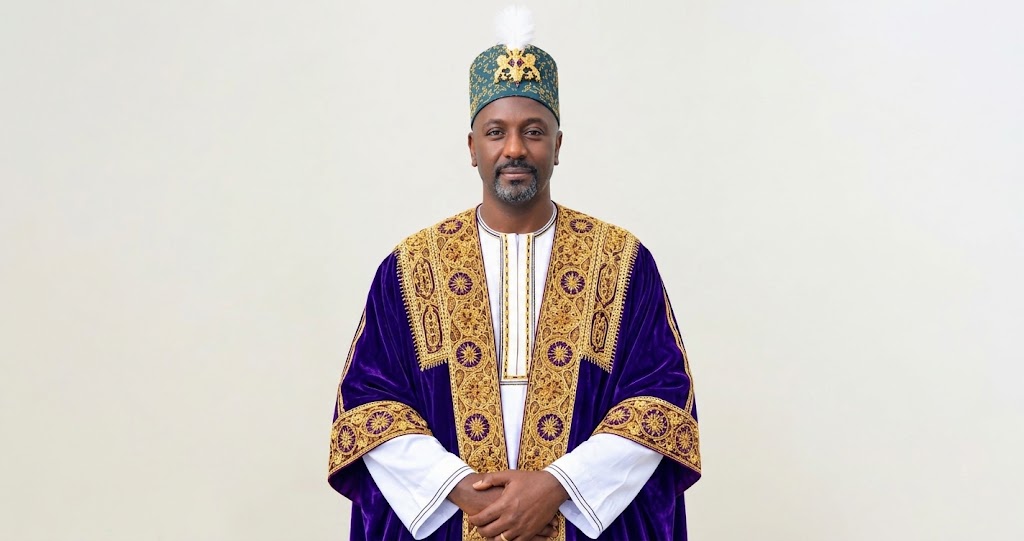
Edward Rukidi Nyabongo I was crowned on Tuesday, 29 September 2026, becoming the 13th Omukama, king, of the Tooro Kingdom and the new king of the Abatooro, a Bantu ethnic group whose cultural home is centred in western Uganda.
He succeeds King Oyo Nyimba Kabamba Iguru Rukidi IV, who transitioned on 27 August at the age of 34 after a 31-year reign.
Nyabongo’s path to the throne is an unusual one. Before becoming king, the 56-year-old worked as a journalist, news anchor and editor at Uganda Broadcasting Corporation. He was also a prince of the Babiito royal clan, from which the Tooro king is traditionally selected.
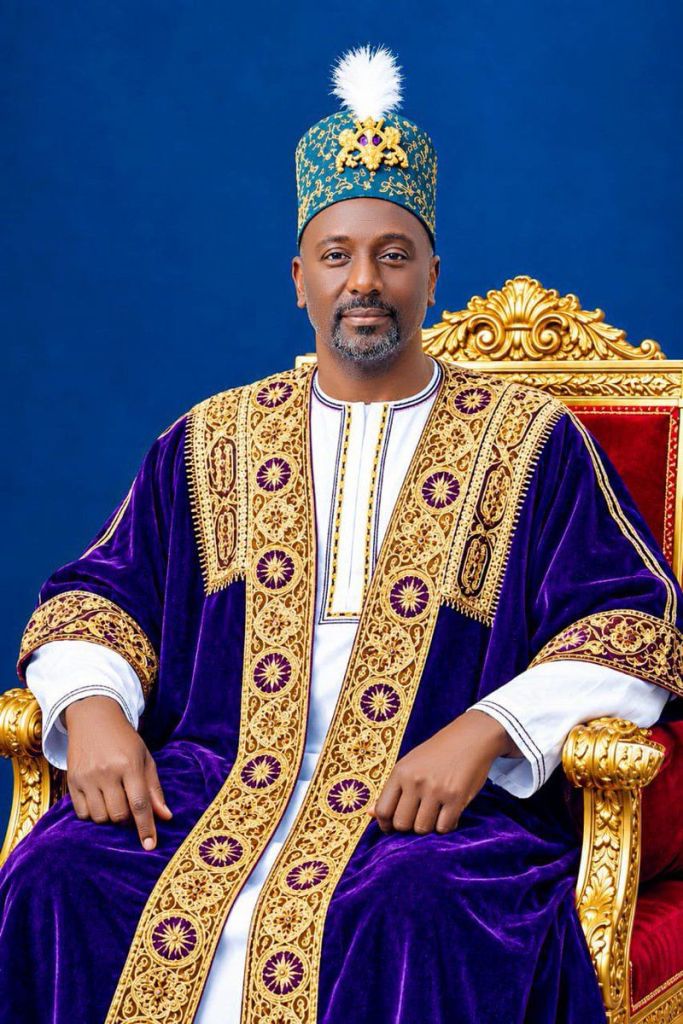
His selection followed the passing of King Oyo. A 21-member succession committee of the Babiito clan chose Prince Edward Rukidi Kijanangoma, who is a cousin of the late king. The Tooro Supreme Council, known as the Orukurato, subsequently endorsed the decision.
He has now taken the royal name Edward Rukidi Nyabongo I.
2026: A year of royal transitions
Nyabongo’s coronation also comes during a year that has seen the deaths of several prominent African traditional kings.
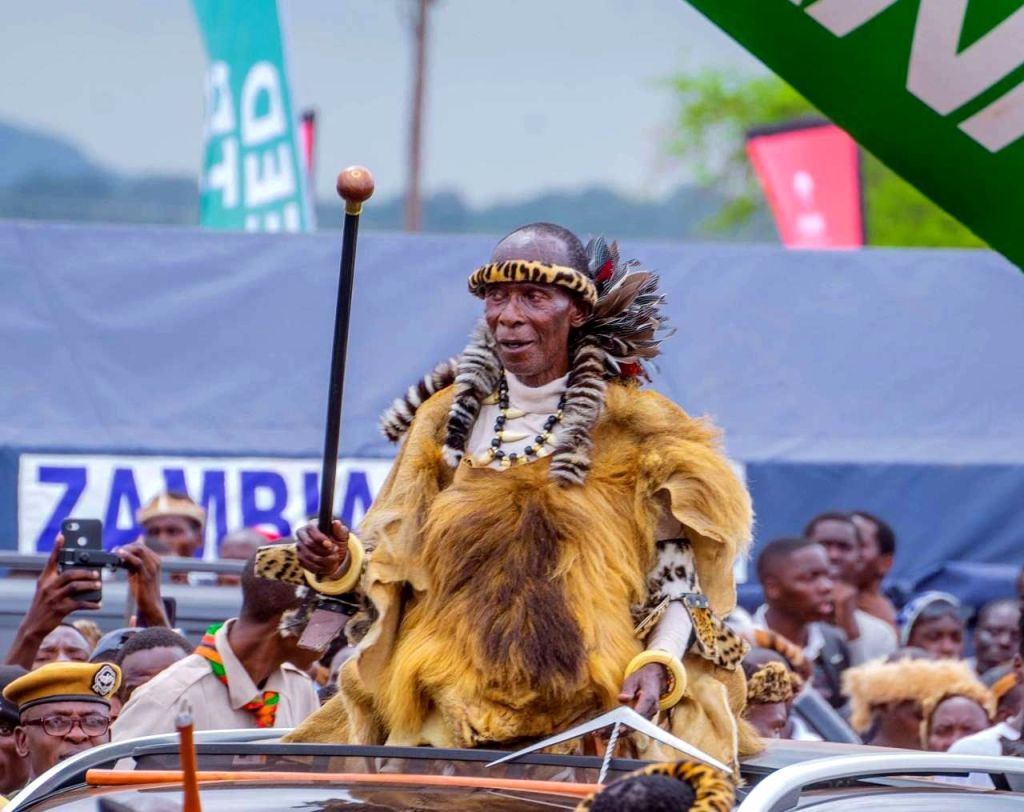
In May, King Mphezeni Kazwangendaba IV, Ingwenyama Inkosi Yamakhosi of the Ngoni people of Zambia’s Eastern Province, died at the University Teaching Hospital in Lusaka. The Zambian government later accorded him an official funeral.
In June, King Makhosonke II of the AmaNdebele Nation in South Africa passed at the age of 65, after four decades on the throne.
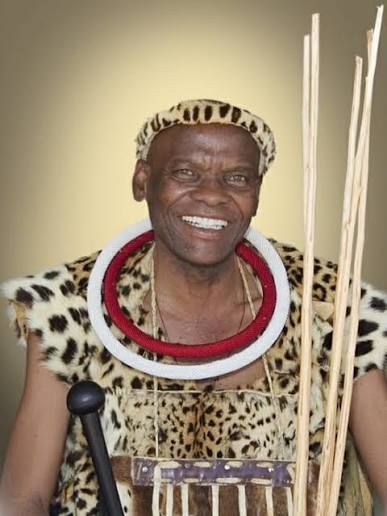
Then, in August, Abatooro lost King Oyo.
There is an old observation that kingdoms often experience some of their greatest tensions when it is time for a new king. Succession can bring questions about lineage, tradition, legitimacy and competing claims to the throne to the surface. Tooro’s current transition illustrates how complicated those questions can become when members of a royal family and the traditional institutions responsible for selecting a successor do not agree.
A Succession Dispute
Nyabongo’s selection has been contested by members of King Oyo’s immediate family, including Queen Mother Best Kemigisa and Princess Ruth Komuntale.
They have said that Oyo left a will naming a son as his heir. The child’s identity has not been publicly disclosed.
The Babiito royal clan, meanwhile, has maintained that it followed the kingdom’s established succession process. Uganda’s government has also allowed the coronation preparations to proceed.
The disagreement even reached Uganda’s courts shortly before the coronation, with a petition seeking to halt Nyabongo’s installation.
Despite the dispute, the coronation went ahead.
A night of tradition and duty
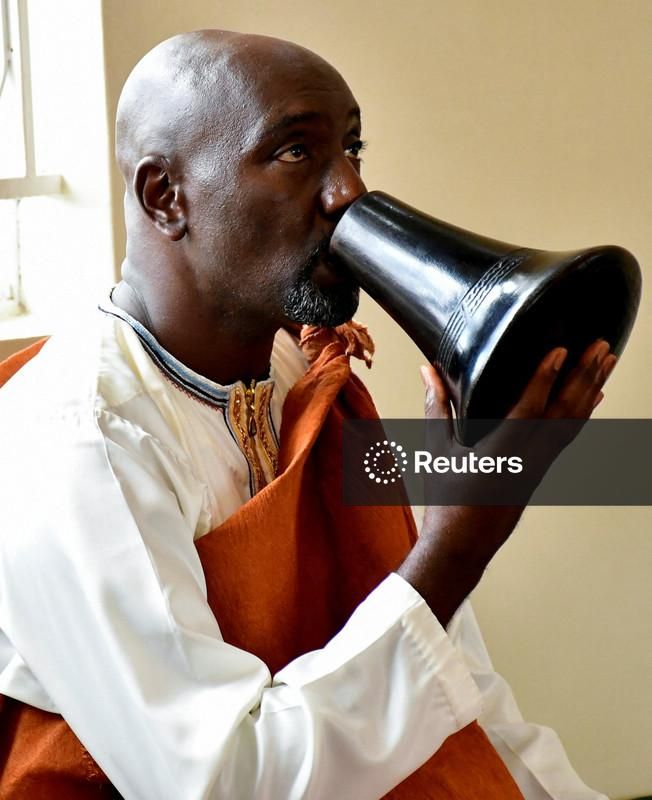
Before the public ceremony, Nyabongo took part in a series of traditional rituals associated with becoming Omukama.
According to the BBC, on Monday night September 27th, he travelled about 4km from Rwengoma Palace towards Karuziika Palace in Fort Portal, accompanied by thousands of Abatooro carrying traditional lamps. At the palace entrance, a symbolic mock battle was staged, representing the struggle involved in taking possession of the royal seat.
The rituals continued through the night, including ceremonies involving royal regalia and drums. The transition also formally brought the kingdom’s mourning period for King Oyo to an end.
For the Abatooro, the coronation is about more than the installation of an individual monarch. The Tooro Kingdom remains an important institution of cultural identity and heritage in Uganda, even though traditional kingdoms do not exercise formal political authority under the country’s constitutional system.
King Oyo’s reign began when he was only three years old, making him one of the world’s youngest monarchs at the time. His death brought an era that had lasted more than three decades to an end.
Edward Rukidi Nyabongo I begins his reign at a moment of transition for Tooro, inheriting both the traditions of a long-standing kingdom and the questions surrounding its future.
And across the region, 2026 has been a year of royal change, with the Ngoni, AmaNdebele and Abatooro all mourning the deaths of their kings and confronting the question of succession.


